Gaudí and the light of Barcelona
Sagrada Familia
The Sagrada Familia brings together architecture, symbolism and an extraordinary approach to light. It deserves more than a photograph from the pavement. This guide helps you choose a ticket, understand the façades and plan the interior route, leaving enough time to appreciate the columns, stained glass and smaller details that reveal Antoni Gaudí’s vision for the building.
Plan your visit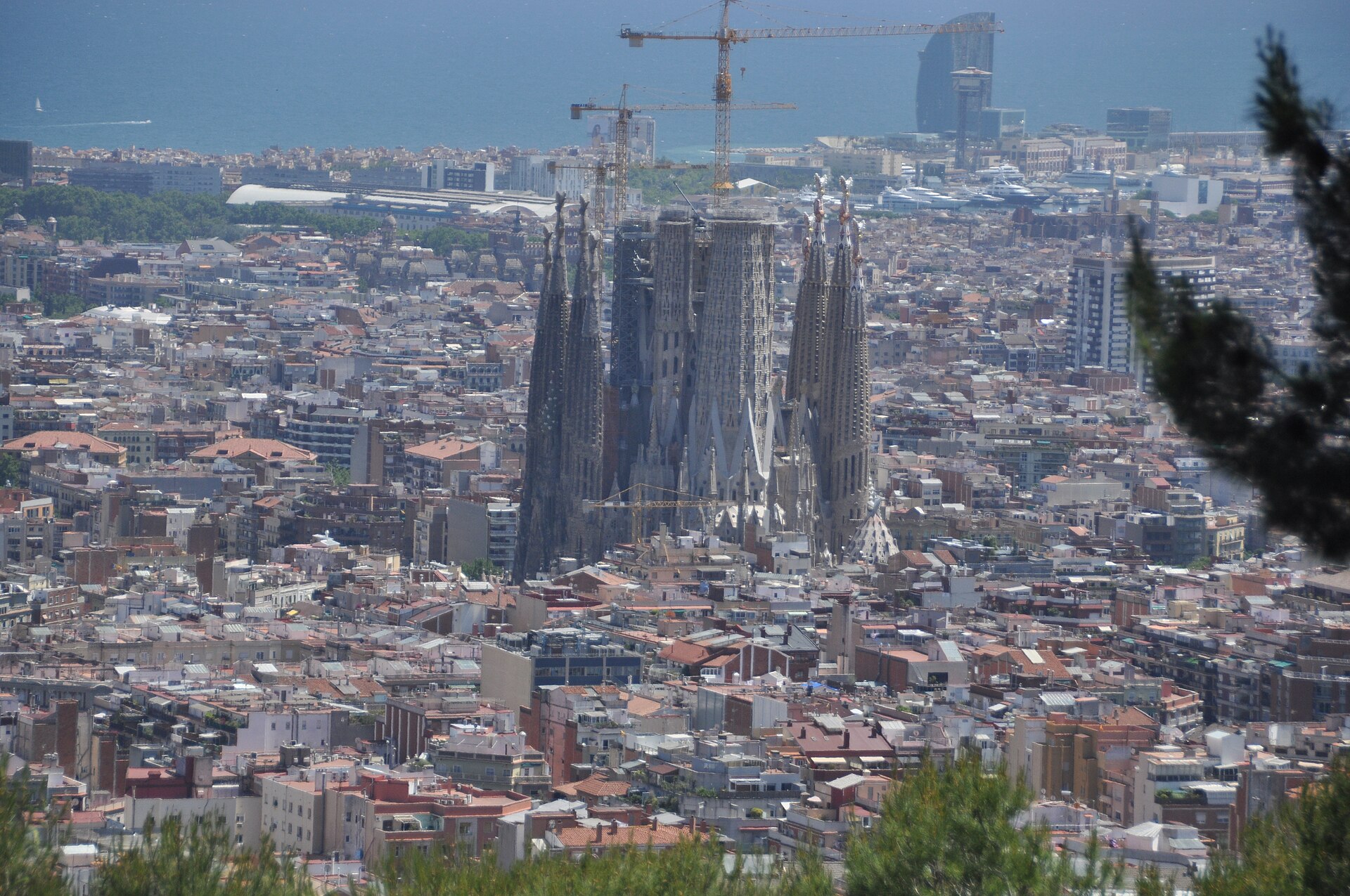
01 · Before you begin
Sagrada Familia Tickets
Book Sagrada Familia Tickets through the official channel, starting with your date and preferred visit. The published standard ticket costs €26 and includes an audio guide in the official app; the guided option costs €30. Tower access requires a different ticket. Check availability and the relevant conditions before arranging the remaining activities and reservations for your day.
What to see inside the Sagrada Familia
The Sagrada Familia makes most sense when you connect its exterior and interior. The Nativity and Passion scenes prepare you for a space where structure, colour and religious storytelling work together. Identify those two façades before entering and allow yourself time to look around. This is Gaudí’s basilica in the Eixample; the historic cathedral stands in the Gothic Quarter.
- Standard ticket
- €26 in the published tariff checked; reconfirm when booking.
- Individual entrance
- Nativity façade on Carrer de la Marina.
- Metro
- L2 and L5 beside the basilica.
- Reduced mobility
- Entrance B on Marina; towers are not accessible.
- Bring
- Timed reservation, identity document and earphones.
Reading the façades and the forest of columns
Construction started in 1882 with a design by Francisco de Paula del Villar. Gaudí took charge in 1883 and transformed its direction. Knowing this makes it easier to understand a building shaped by successive generations. Look for differences between its parts instead of expecting every surface to belong to one moment or a single construction campaign.
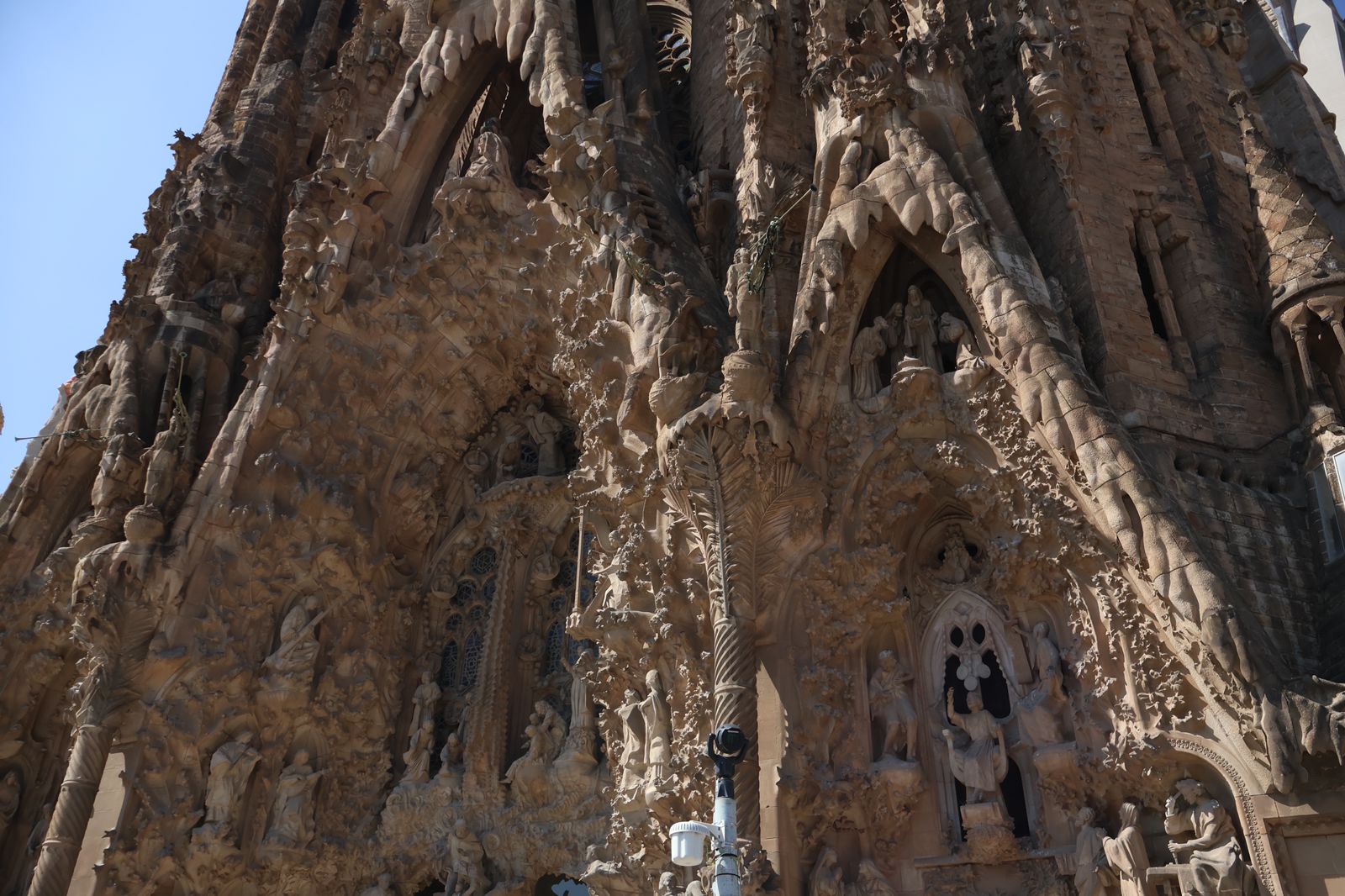
The Nativity façade depicts the early life of Jesus, while the Passion side explores his final days and the Resurrection. Give each a few minutes and compare the figures, openings and shadows. On the latter, Josep Maria Subirachs introduced an angular, expressive sculptural language. Looking at both sides helps explain why their emotional effects are so different.
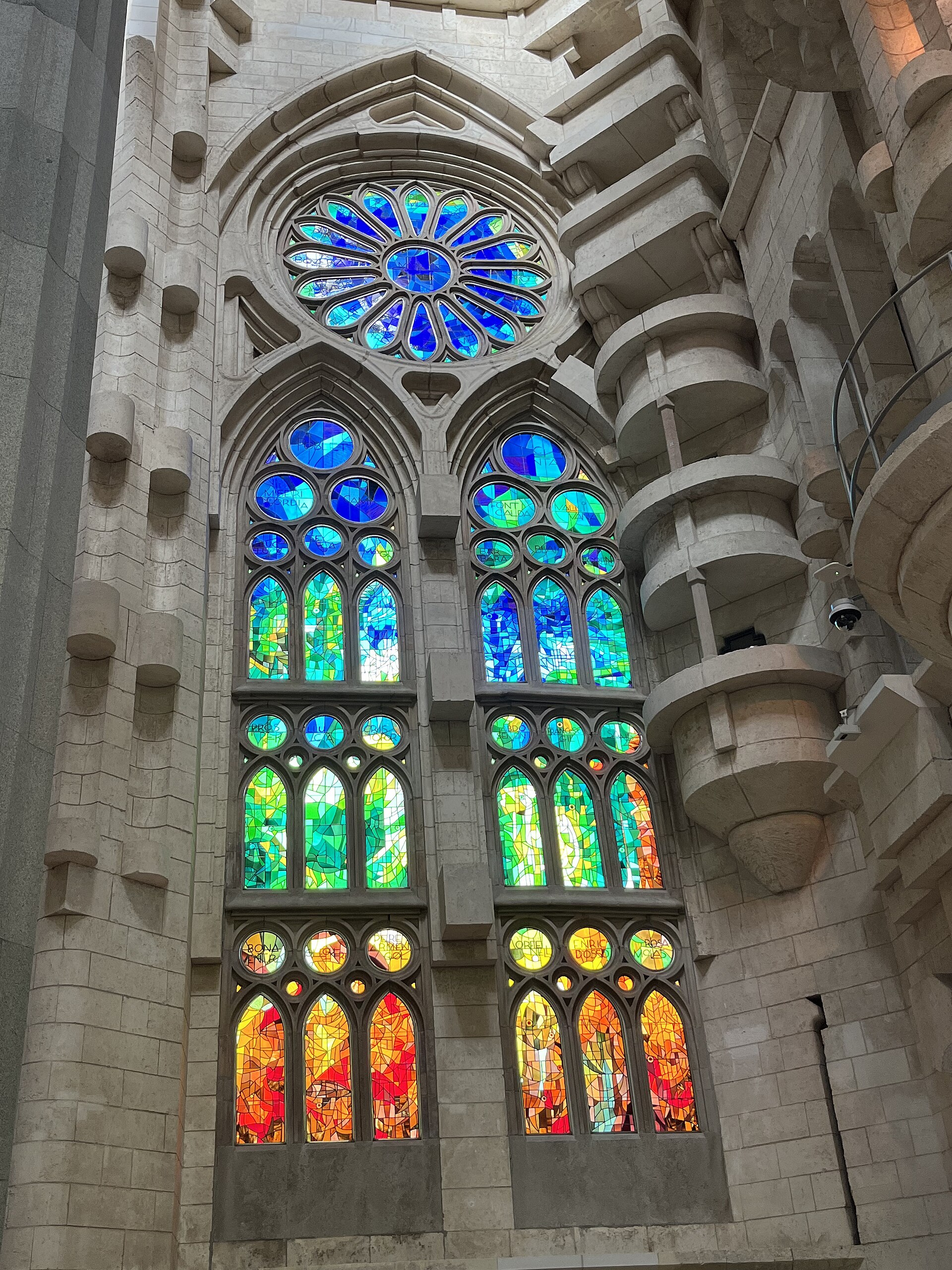
Inside, follow one column upwards until it branches. Gaudí developed supports that distribute weight like trees, allowing the walls to open towards the light. This simple observation connects engineering with appearance without requiring architectural knowledge. Move a few steps and look again: the relationship between the branches and surrounding space changes as your viewpoint shifts across the nave.
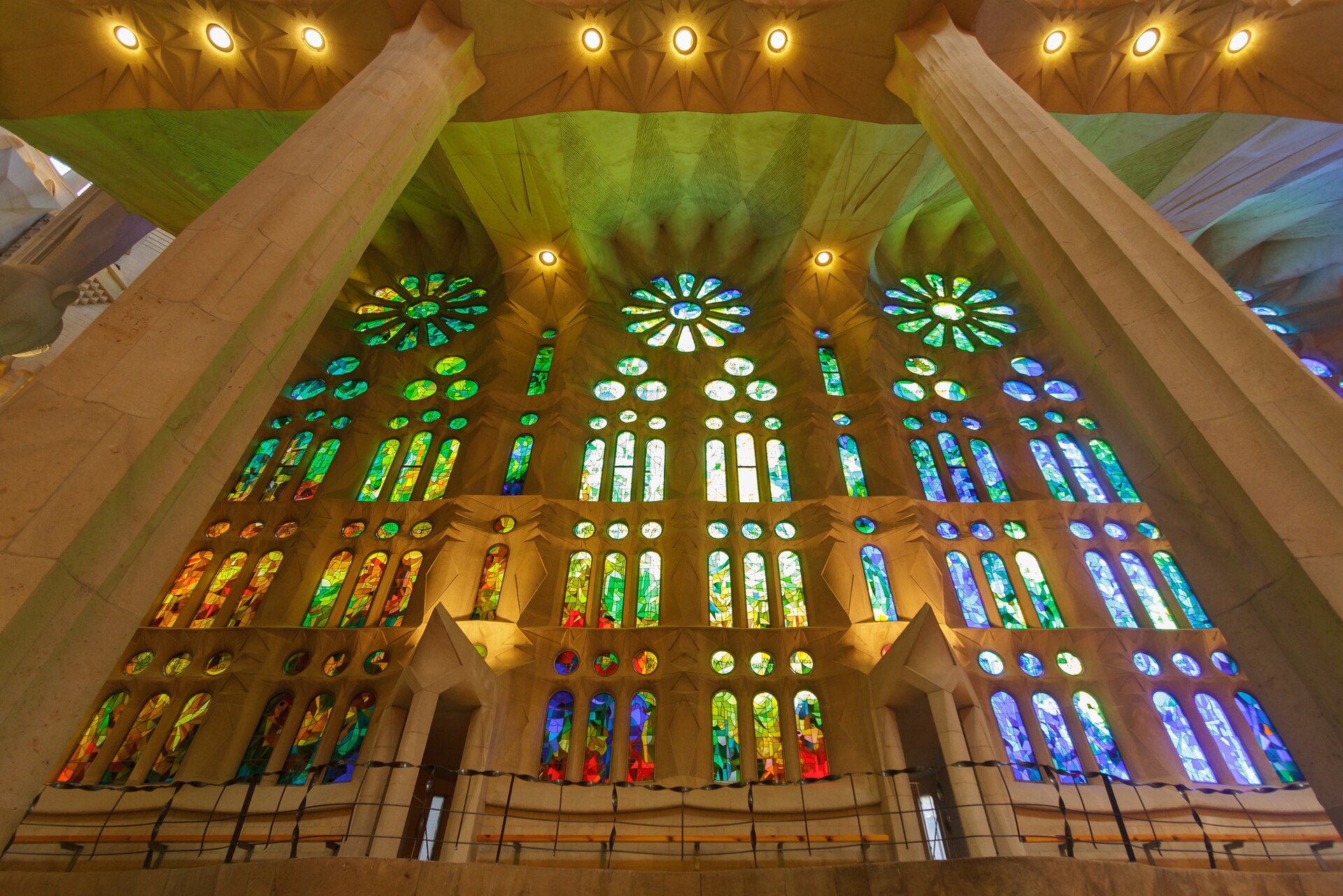
Joan Vila-Grau’s stained glass provides another route through the building. Cooler shades appear on the Nativity side, with reds and oranges towards the Passion. Sun, season and weather all affect the result. No single booking time guarantees an identical photograph throughout the year, so compare the two sides and appreciate whatever conditions accompany your own visit.
Choosing a ticket and considering the tower option
The published tower ticket costs €36, while the option combining a guided visit and a tower costs €40. Think about what each adds to your day. A guide helps interpret the symbols; an ascent provides views and a different architectural experience. Neither replaces the time you need to explore the main interior and observe its changing perspectives.
Visitors take a lift up and descend on foot. The towers are not suitable for reduced mobility; children under six cannot enter, and those aged six to sixteen require an adult. Read the other personal restrictions before purchasing. If you experience vertigo, focusing on the main level may offer a more comfortable and rewarding visit without the additional ascent.
Download the app and audio guide in advance, pack earphones and check your phone battery. If you are visiting together, everyone should be able to listen without using a speaker. Pause whenever an explanation draws attention to something interesting. Following an audio route does not mean walking constantly or giving every feature exactly the same amount of time.
Bring the identity document associated with your named ticket and allow time to find the entrance and pass security checks. Avoid booking another timed attraction immediately afterwards. As a planning suggestion, leave around two hours for the surroundings and main visit, with additional time for optional activities or a slower look at the museum’s models and explanations.
Arriving comfortably and extending your walk
The usual individual entrance is on Carrer de la Marina beside the Nativity façade. Metro lines L2 and L5 stop next to the monument. Identify the gate stated on your reservation before walking around the entire block. This leaves you free to enjoy the exterior while keeping track of where you need to be for your admission time.
The basilica states that the visitor route is accessible apart from the towers. Visitors with disabilities or reduced mobility should use entrance B on Marina. Wheelchairs are available subject to availability. If you need one, contact the venue beforehand and explain your requirements; a comfortable visit depends on the whole route and the assistance you personally need.
Opening hours vary with the season and day of the week, with a later start for tourist visits on Sundays. Use your booked time as the anchor for your itinerary. Check official notices for special services or events, and take exterior photographs before or afterwards so that they do not consume the margin you have allowed for admission.
There is no luggage storage for suitcases. Arrange bags through your accommodation or an independent service before arriving, particularly if you are visiting on departure day. Wear clothing appropriate for a place of worship and keep conversation quiet. Sorting out these small practical details helps you concentrate on the building while respecting people who are there to pray.
Afterwards, consider following Avinguda de Gaudí towards the Sant Pau modernist complex, turning the outing into a comparison between two approaches to the city. For a half-day itinerary, leave room for a break between the monuments. If arranging a private tour, confirm whether the service covers exterior interpretation or also includes an independently reserved interior visit.
Sources and visitor information
Check the official conditions and notices before booking or travelling.
Photograph authors and licences
- The basilica skyline in 2019. · Sagrada familia BCN 01.jpg · Felvalen · Original source · CC BY-SA 4.0.
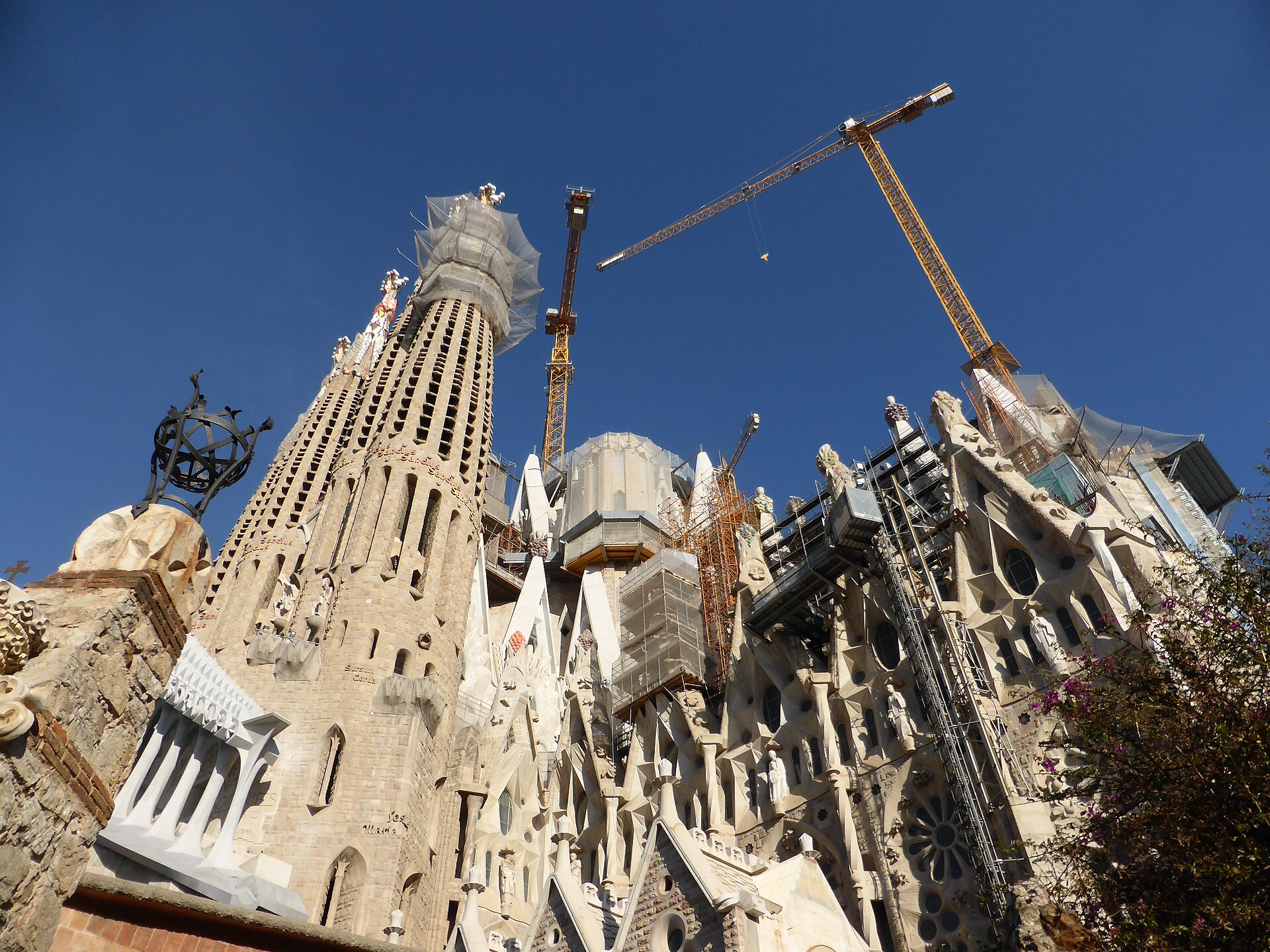
- A perspective on Gaudí’s work in 2016. · 045-Sagrada-Familia.jpg · MartinThoma · Original source · CC0.
- Light and colour inside the church. · Sagrada Familia interior.jpg · Ospingou · Original source · CC BY-SA 4.0.
- The interplay of stained glass and columns. · Stained Glass Of Sagrada Familia (259513261).jpeg · Pierre Selim Huard · Original source · CC BY 3.0.
- The Nativity façade in July 2024. · Frontside of the Sagrada Família on the 2024-07-12.jpg · TimKicker · Original source · CC BY 4.0.
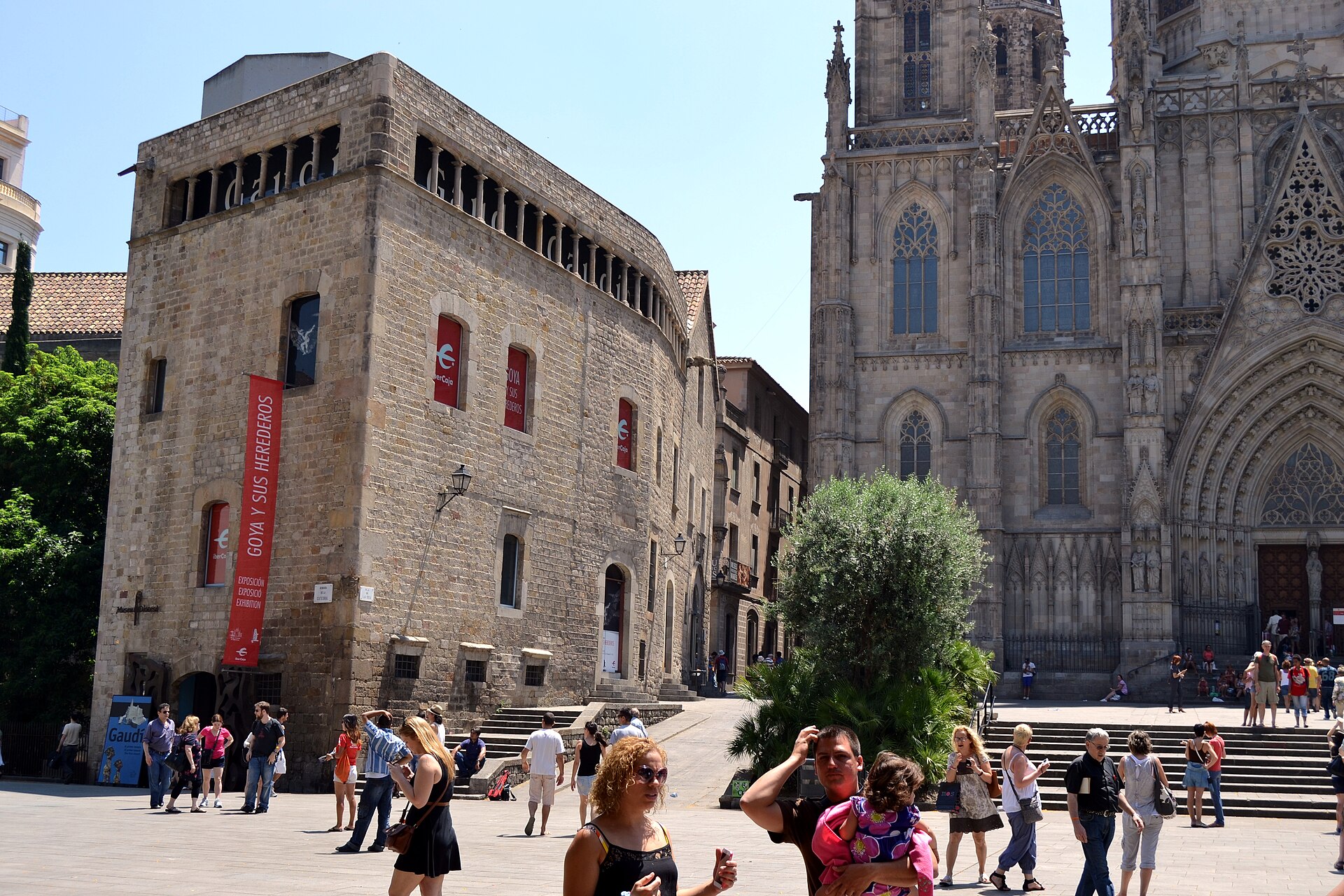
- Gothic architecture in the heart of the old town. · Catedral de Barcelona (9248851592).jpg · Emilio J. Rodríguez Posada · Original source · CC BY-SA 2.0.
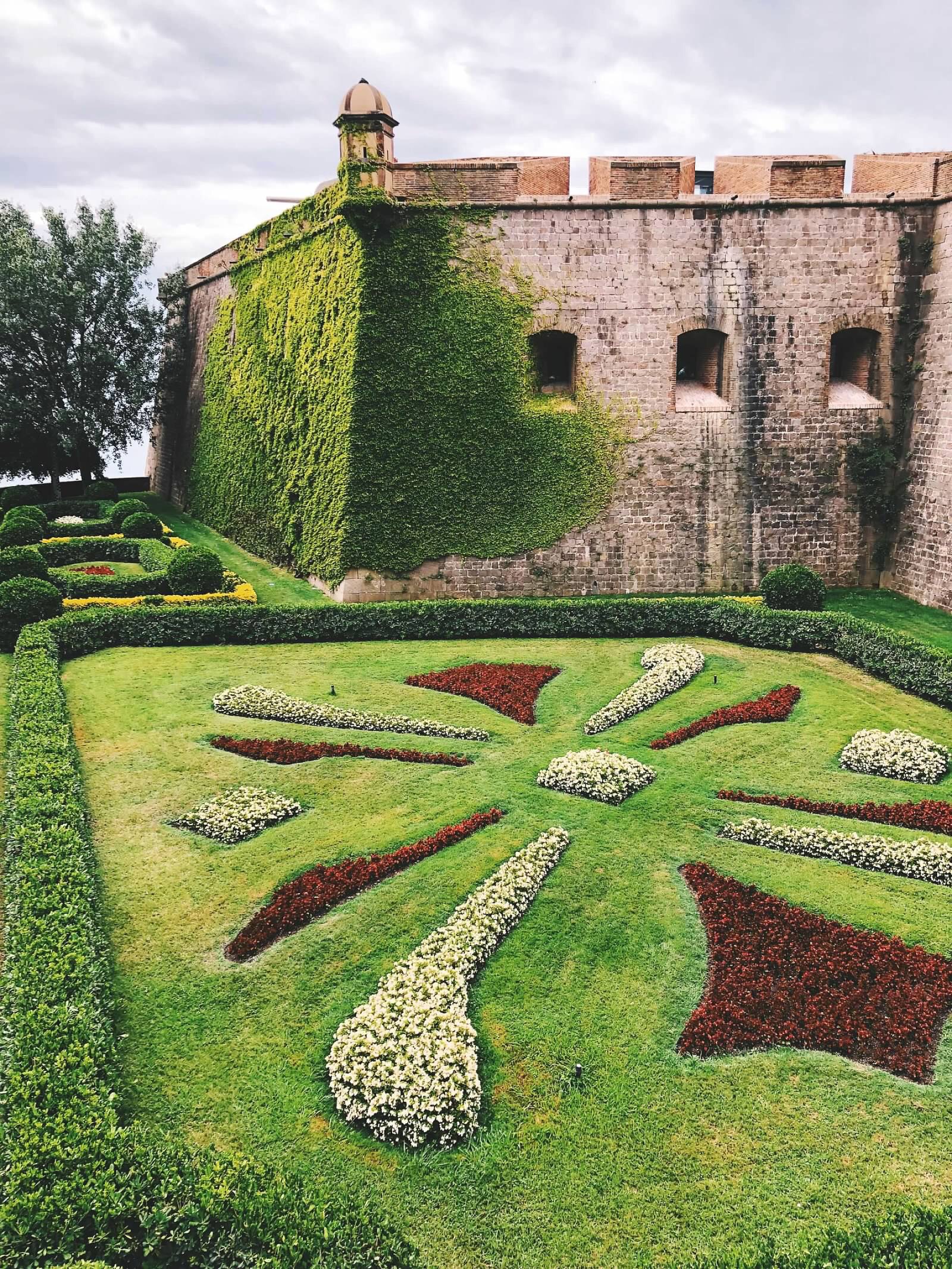
- A view of Montjuïc fortress. · Castle of Montjüic.jpg · Julianibarra · Original source · CC0.


Images are resized and cropped for this page. Adaptations of CC BY-SA photographs are shared under the same licence indicated for each image.
Keep exploring
Another perspective on the city