
Architecture · Heritage · Stories of the city
Barcelona monuments
Barcelona monuments offer a journey through centuries of history within a single city. A basilica that transforms the relationship between light and architecture, a medieval cathedral and a fortress above the harbour tell different chapters. This collection brings together detailed guides to help you understand what you will see and plan enough time to enjoy the details.
Plan your visit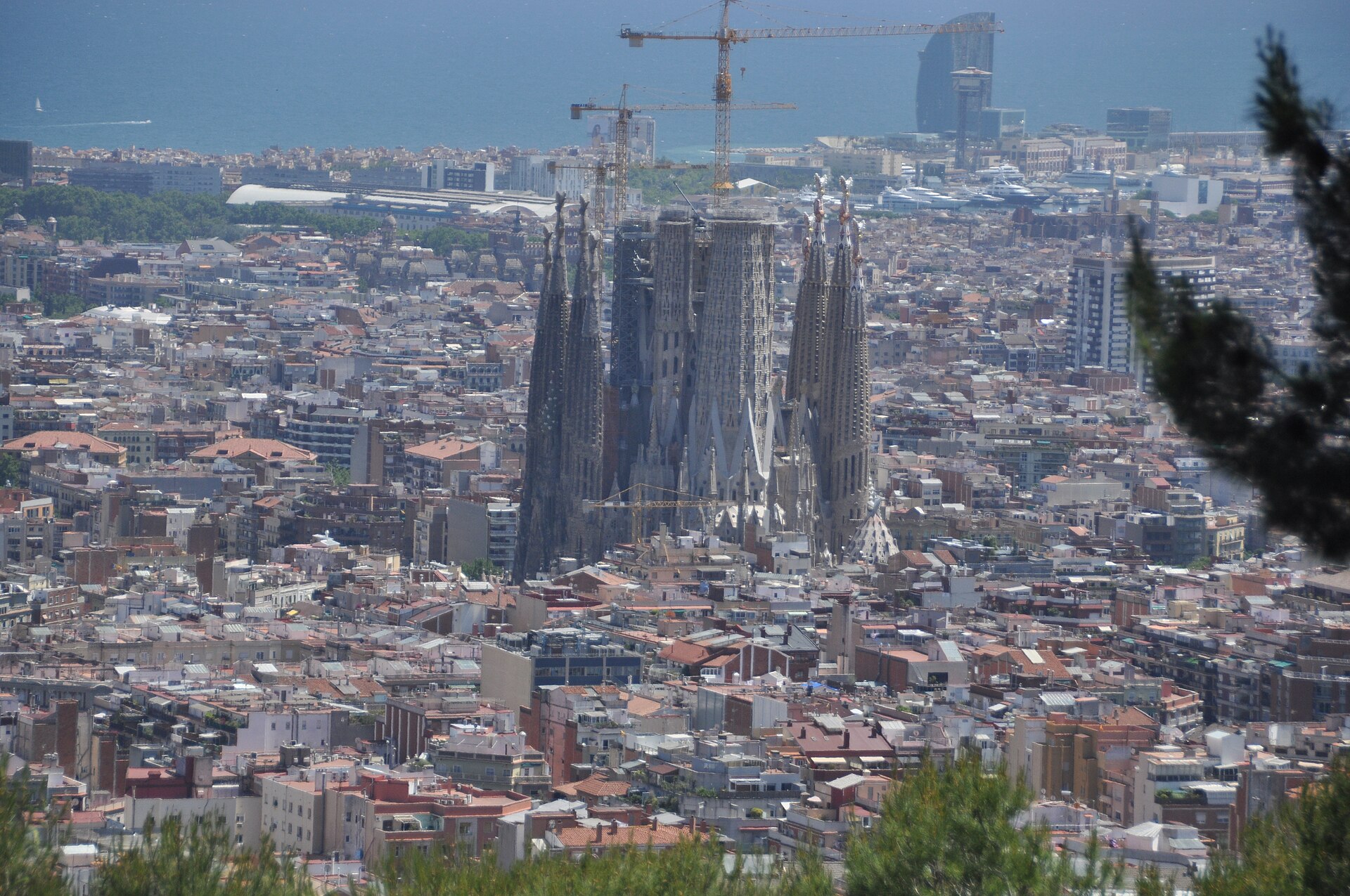
01 · Before you begin
Barcelona monuments that reveal different eras
These Barcelona monuments are not interchangeable buildings on a checklist. Gaudí’s work belongs to the Eixample landscape and a distinctive understanding of sacred space. The cathedral stands in the heart of the Gothic Quarter. The hilltop fortress speaks of defence, power and episodes of memory that deserve attention before you walk around its walls.
Barcelona monuments and a well-planned visit
Start by choosing one or two interiors that genuinely interest you and leave time for their surroundings. Tickets, cultural visiting hours, tower or terrace access and group conditions differ between venues. Consult each official website before buying: seeing the exterior, joining a guided visit and entering every available area are different experiences.
- Eixample
- Gaudí’s architecture
- Gothic Quarter
- Medieval heritage
- Montjuïc
- Fortress and memory
- Booking
- Check the areas included



The basilica, the cathedral and the fortress
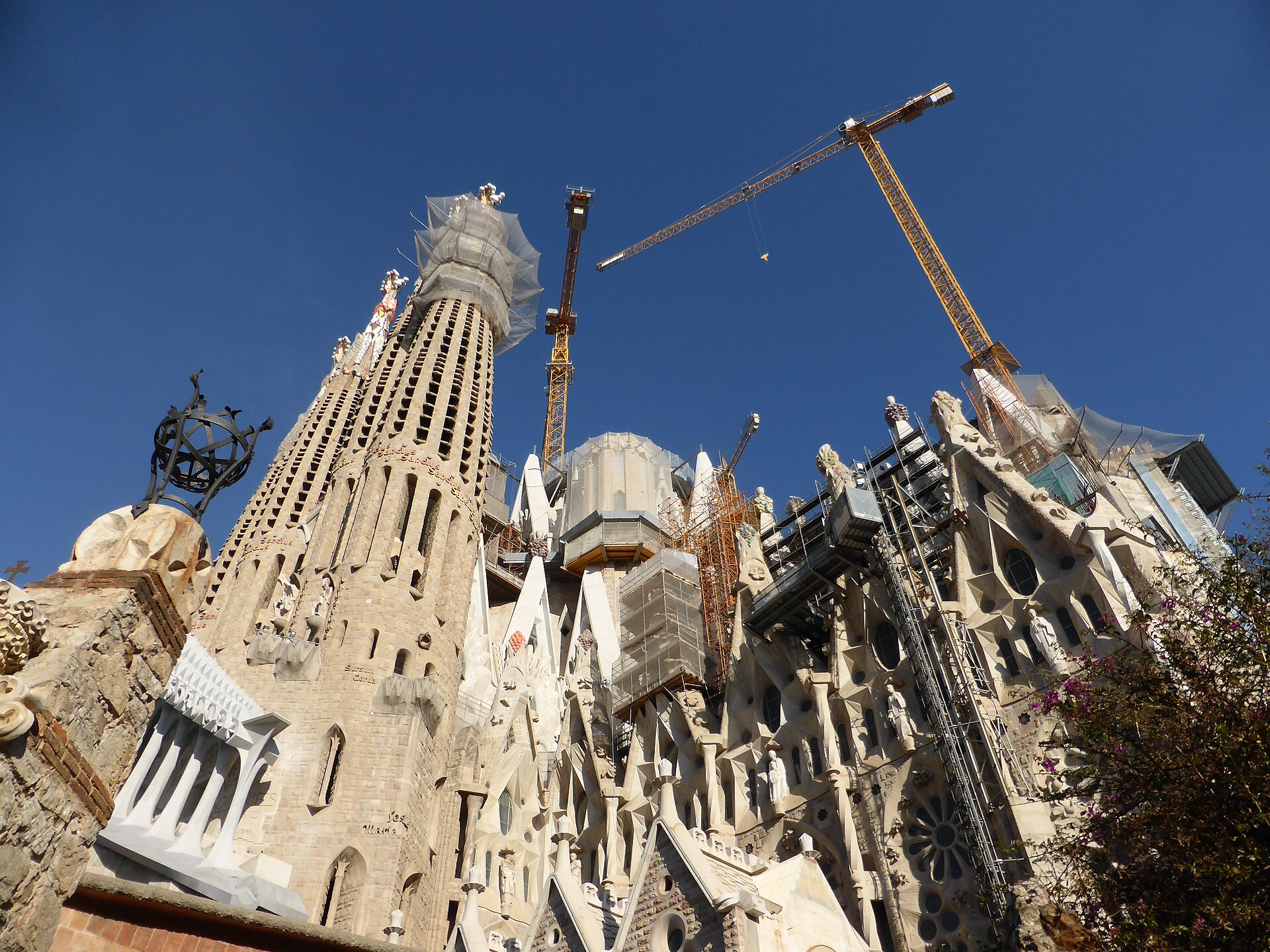
Gaudí’s church invites you to notice the relationship between structure, symbols and light. Going inside adds an experience quite different from looking at the façades: columns, stained glass and the scale of the space change how the building is understood. Reserve a time slot that allows you to pause without rushing immediately to another appointment.
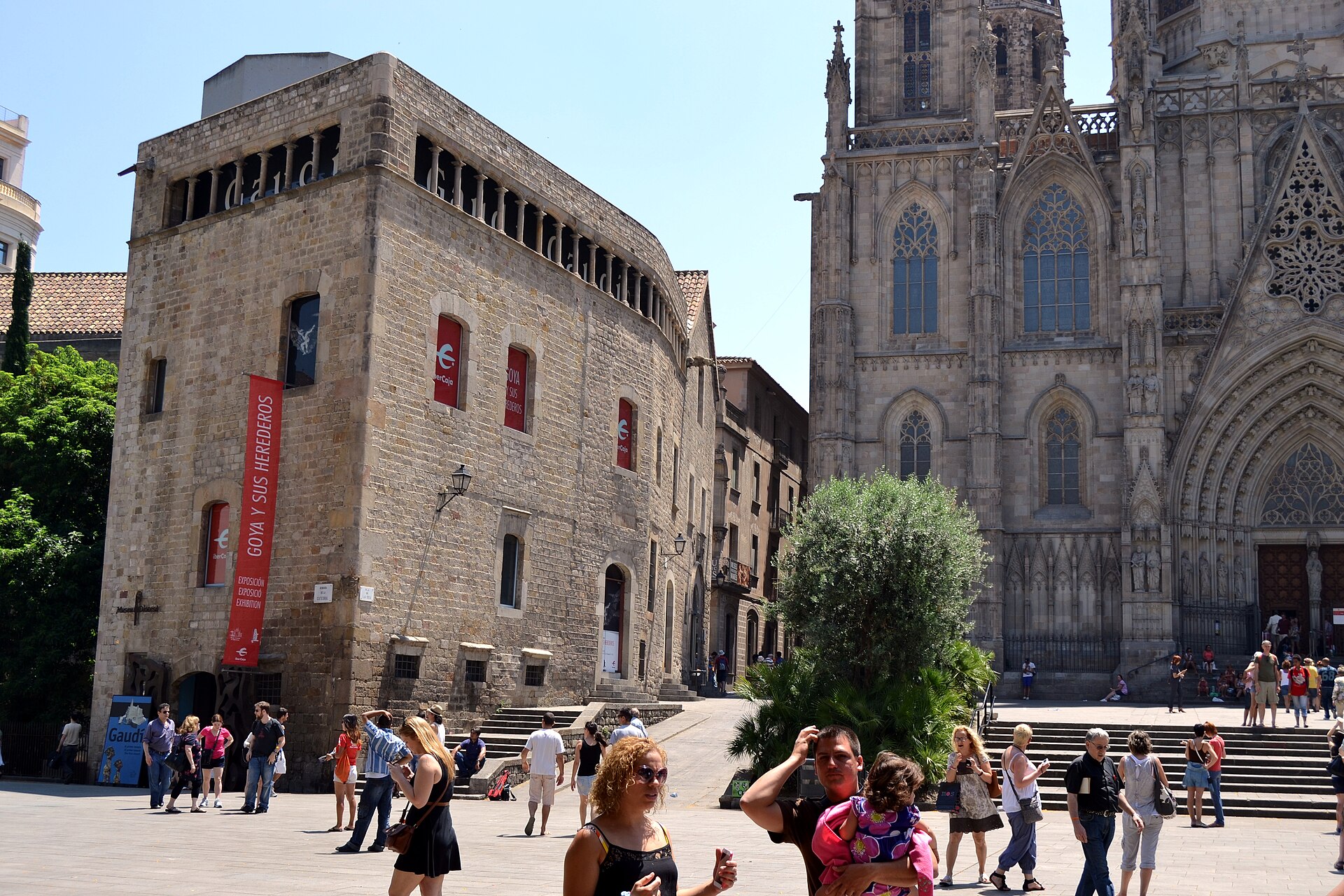
The seat of the Holy Cross and Saint Eulalia belongs to a different context. Its setting unfolds through the streets and squares of the old town, while the interior and cloister offer a closer view of the city’s religious and artistic history. It is a separate building from the Modernist basilica, a distinction that can be confusing when planning a first trip.
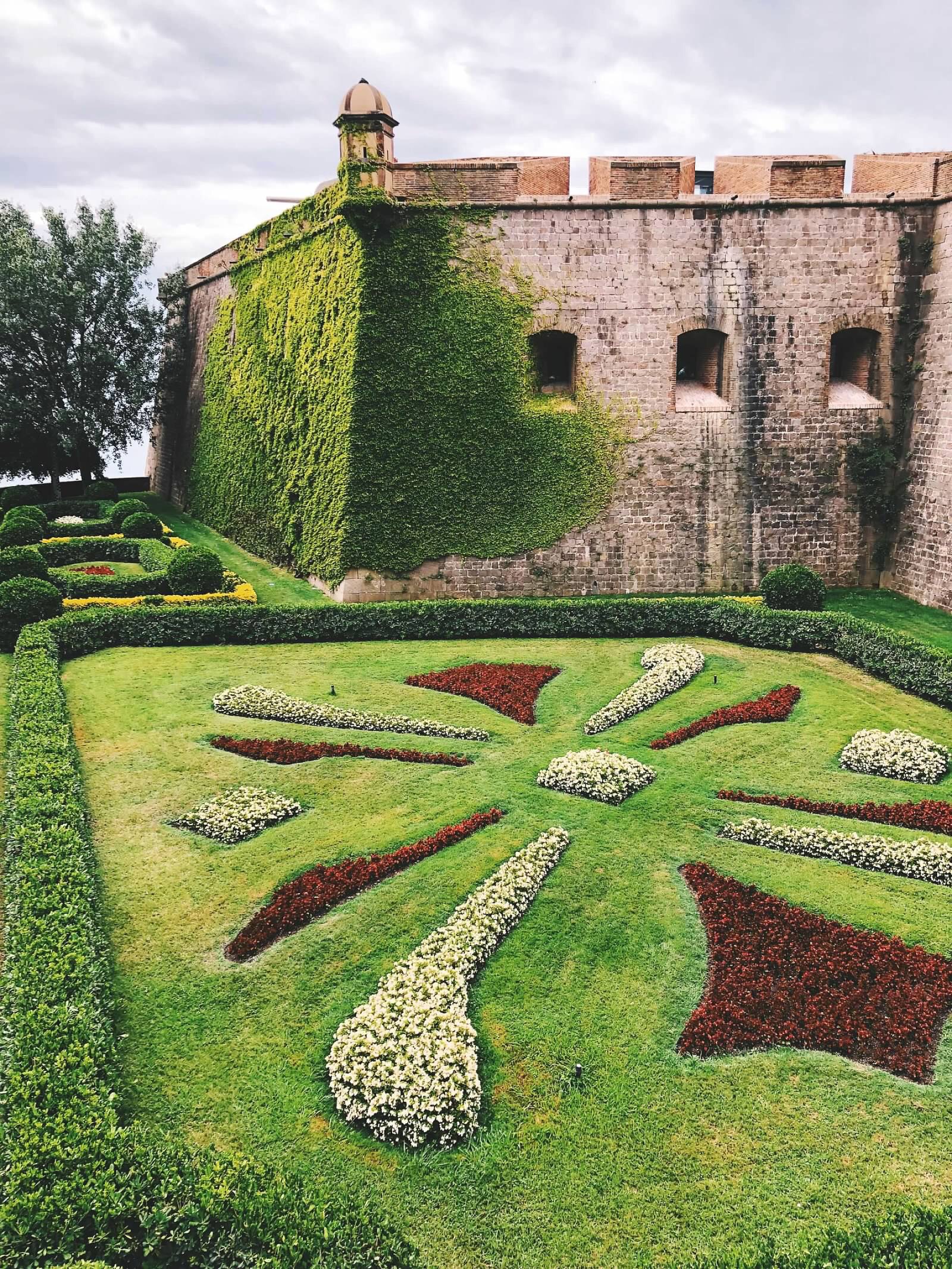
At the summit of the hill, the fortress brings together scenery and memory. The harbour is part of the view from its defences, but treating the visit only as a photo stop would miss something essential. Exhibitions and historical interpretation help explain the uses of the enclosure and its complex relationship with Barcelona.
The individual guides develop each visit separately. They introduce the route, relevant architecture or history and links to official visitor channels. The collection will expand with more places, keeping a dedicated guide for each and useful connections that make it easier to build a coherent itinerary.
Tickets, accessibility and details to check
Before paying, confirm the exact venue, date, time and areas included. Some ticket types provide an audioguide, guided interpretation or access to particular spaces; others cover only the general route. Read the change and cancellation conditions too. A short description on a reseller’s page is not a substitute for the official provider’s information.
Religious buildings combine cultural visits with worship. Hours and available areas may change because of services or liturgical needs. Check the dress and conduct rules, and do not assume that entry intended for prayer provides the same experience as a complete sightseeing visit.
If you have reduced mobility, distinguish access to the main building from access to roofs, towers or exterior paths. The existence of a lift somewhere does not mean the entire experience is step-free. Confirm the appropriate entrance, any stair sections and the facilities available for the specific ticket or route you want to book.
With children, choose a few recognisable details: a figure on a façade, a stained-glass colour or the shape of a defensive wall. A visit built around a small number of observations can be more enjoyable than continuous explanation. Include a break and leave space for the questions that arise along the way.
Combine buildings into a neighbourhood itinerary
The Eixample pairs architecture with broad avenues; the old town encourages walking between squares and narrow lanes; the harbour-side hill requires thought about gradients and transport. These differences help determine the order of a day. Grouping nearby places avoids wasting time crossing the city between two fixed-time bookings.
A rewarding route can combine one interior, an exterior walk and a meal break. You do not need to enter every building to understand the urban setting. A façade explored with context, followed by a cloister or exhibition, can sometimes offer a richer experience than several hurried visits in succession.
If arranging private guiding, share the places that interest you and any tickets already purchased. The itinerary must work with your reservations and each venue’s access conditions. Do not assume that a guided city route automatically includes admissions, towers or special services; clarify those details while planning.
Use the photographs as an introduction and look again when you arrive in person. Light, restoration work and available routes can change. We plan to add our own images to document the experience from our perspective; official sources remain the reference for opening hours, prices and current notices.
Sources and visitor information
Check the official conditions and notices before booking or travelling.
Photograph authors and licences
- The basilica skyline in 2019. · Sagrada familia BCN 01.jpg · Felvalen · Original source · CC BY-SA 4.0.
- Gothic architecture in the heart of the old town. · Catedral de Barcelona (9248851592).jpg · Emilio J. Rodríguez Posada · Original source · CC BY-SA 2.0.
- A view of Montjuïc fortress. · Castle of Montjüic.jpg · Julianibarra · Original source · CC0.
- A perspective on Gaudí’s work in 2016. · 045-Sagrada-Familia.jpg · MartinThoma · Original source · CC0.
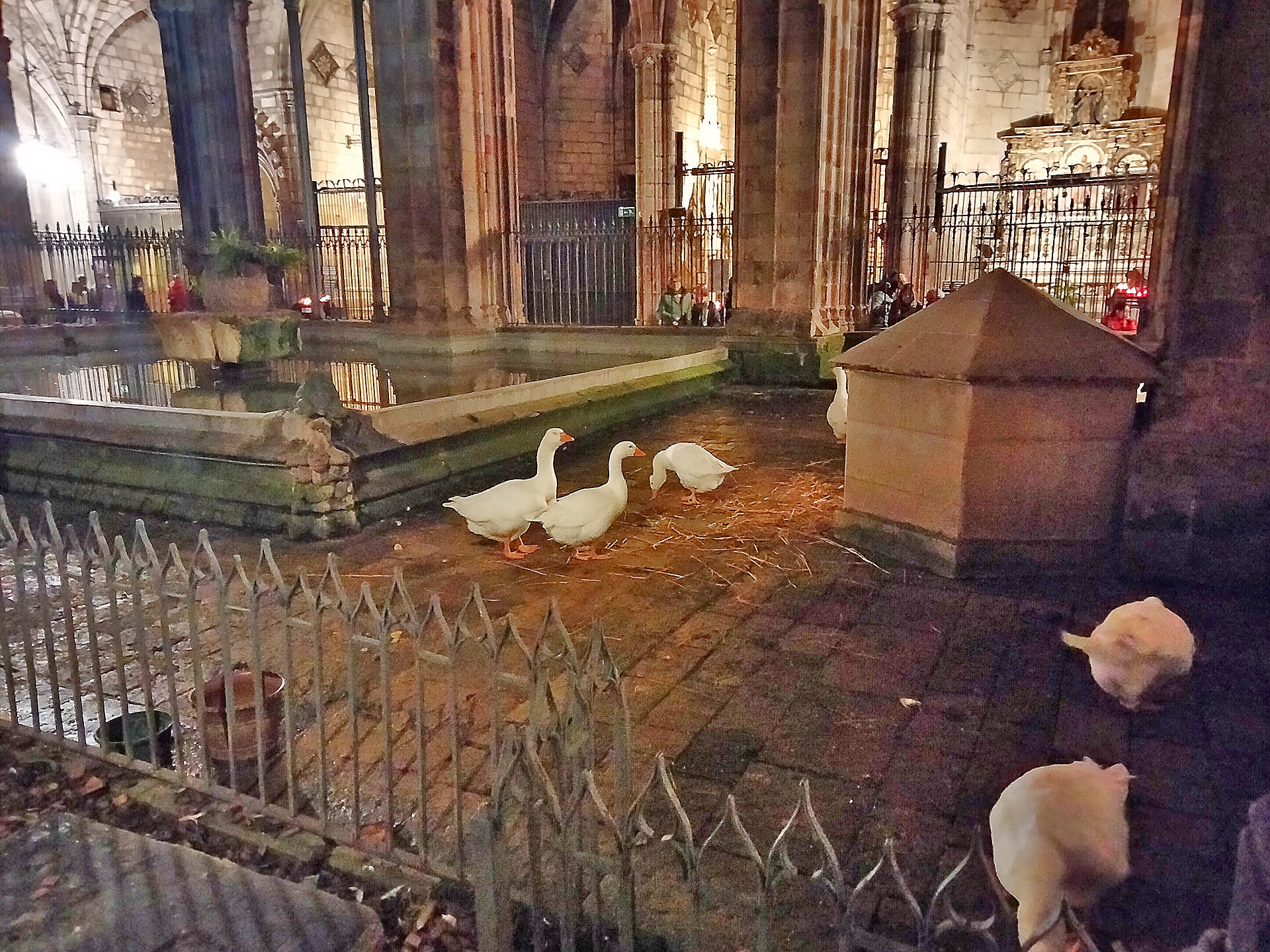
- The geese that live in the cloister. · 202 Catedral de Barcelona, les oques del claustre.jpg · Enric · Original source · CC BY-SA 4.0.


Images are resized and cropped for this page. Adaptations of CC BY-SA photographs are shared under the same licence indicated for each image.