Winter · Costumes · Local traditions
Carnival in Barcelona
Carnival in Barcelona turns a week of winter into an invitation to step outside everyday routines. Costumes, music and neighbourhood parades share the stage with festive food, satirical characters and theatrical farewells. The pleasure lies in discovering how each community celebrates, from a small family activity to a procession that has taken months to prepare.
Explore the guide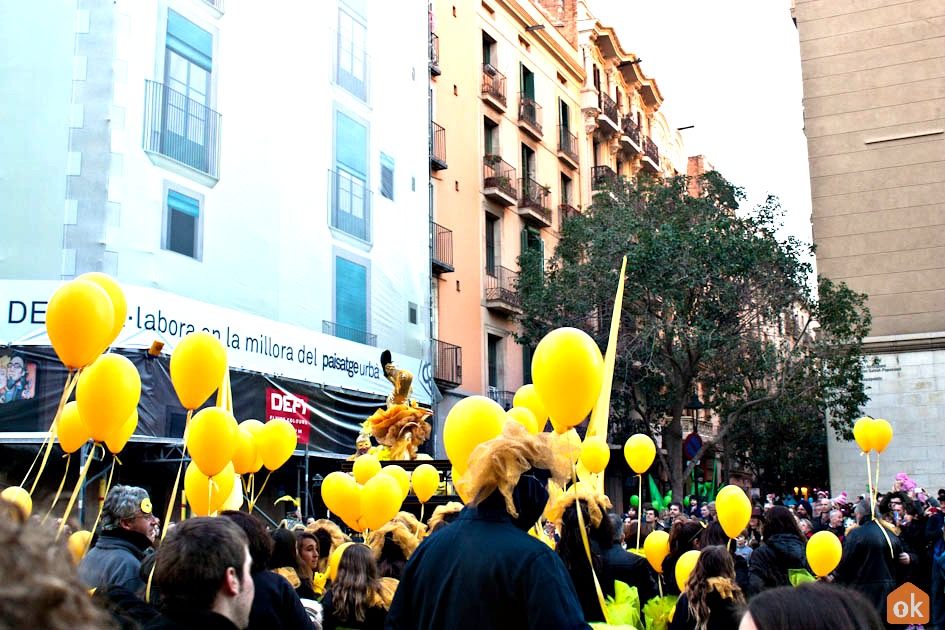
Changes with the Easter calendar
01 · The essentials
Barcelona Carnival and its changing calendar
If your visit coincides with the festivities, allow time to watch and let the local programme shape your route. There is no single parade that represents the whole occasion: schools, associations and shops contribute their own ideas. This guide explains the customs behind the celebration and suggests ways to include them in a city break without rushing between events.
The dates change each year because the celebration follows the Easter calendar. The traditional cycle begins on Dijous Gras, the Thursday before Ash Wednesday, and closes with the farewell to Carnestoltes and the burial of the sardine. Individual events may be scheduled differently, so check the programme for the relevant edition before making firm travel plans.
Carnestoltes is the figure who symbolically presides over these days of playful disorder. The arrival, proclamation, instructions and farewell combine humour with social commentary. You do not need to understand every local reference to enjoy the atmosphere, but knowing this role explains the mock monarchs, comic wills and ceremonies that resemble an open-air performance.
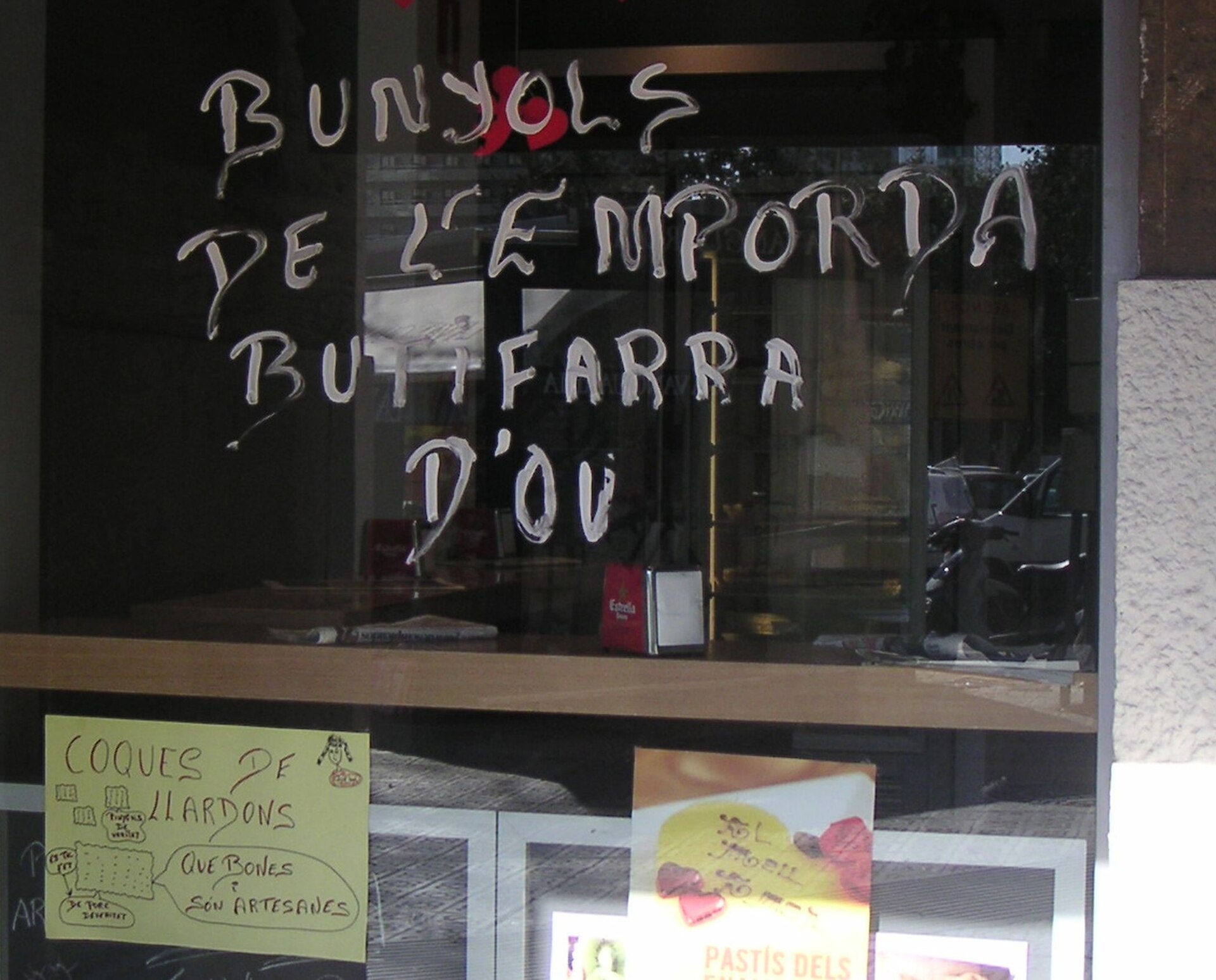
The opening Thursday also has its own food traditions. Omelettes, botifarra d’ou, an egg sausage, and coca de llardons, a pastry made with pork crackling, belong to the occasion. Look for them at neighbourhood shops and make a tasting stop part of your walk. Check ingredients if you have allergies or dietary requirements rather than relying on translated product names.
- Date
- Changes with the Easter calendar
- Traditional opening
- Dijous Gras, or Fat Thursday
- Traditional closing
- Ash Wednesday
- Where
- Neighbourhood celebrations across the city
- Before visiting
- Check the current programme, routes and access details
02 · Make the most of it
Enjoying neighbourhood parades and local customs
A rúa is a procession of costumed groups sharing a theme, choreography or visual idea. Much of its appeal comes from collective effort: outfits and props tell small stories. Take time to appreciate the whole group before concentrating on photographs, and leave enough space for performers, musicians and event staff to move along the route.
Choose an event according to the kind of afternoon you want. A family activity, a food gathering and a loud musical procession offer different experiences. Check the starting point, route, expected duration and access arrangements. An event taking place outdoors does not mean that you can drive up to its entrance or expect all surrounding streets to remain open.
Choose a costume you can walk in
Joining in can be as simple as adding a mask or a colourful detail to your usual clothes. Comfortable footwear and removable layers matter more than elaborate accessories: standing still for a long time feels different from walking around the city. Avoid bulky props that obstruct pavements or make it difficult to use public transport.
With children, agree on an easy-to-recognise meeting point and a plan for regrouping. One short event followed by a snack may be more enjoyable than several consecutive activities. If anyone is sensitive to sound, choose a position away from speakers and leave room in the plan to step out early.
From Thursday food to the sardine farewell
The festivities connect the abundance before Lent with a deliberately humorous ending. The burial of the sardine is a symbolic closing ceremony, with details that vary between places and organisers. Read the event description to see whether a particular version includes a procession, communal food or a performance, rather than assuming that every farewell follows the same format.
Knowing this context can make a market or bakery visit more rewarding. Ask which seasonal products are being prepared and notice how the celebration reaches the shop counters as well as the streets. You do not need to attend the full programme to understand its place in neighbourhood life.
Leave space for a relaxed city walk
Build the day around one neighbourhood, perhaps with a cultural visit beforehand and a café stop afterwards. Leave a generous gap between a timed museum entry and the procession, since crowds can slow down an otherwise short walk. Save the programme on your phone and check it again on the day for weather-related changes or revised routes.
A private walk can complement the festivities if its itinerary avoids streets occupied by the event. Closures and diversions are part of organising a celebration in a living city. A simple plan gives you time to enjoy the costumes while keeping room for the courtyards, shops and conversations you discover along the way.
Plan with current information
Check official programmes and service notices before setting out. Photographs document the place or tradition and may show earlier editions.
Photograph authors and licences
- Barcelona Carnival Taronjada celebration in 2015 · CARNAVAL 2015 (16550677481) (2).jpg · OK Apartment from Barcelona, Spain · Original source · CC BY 2.0.
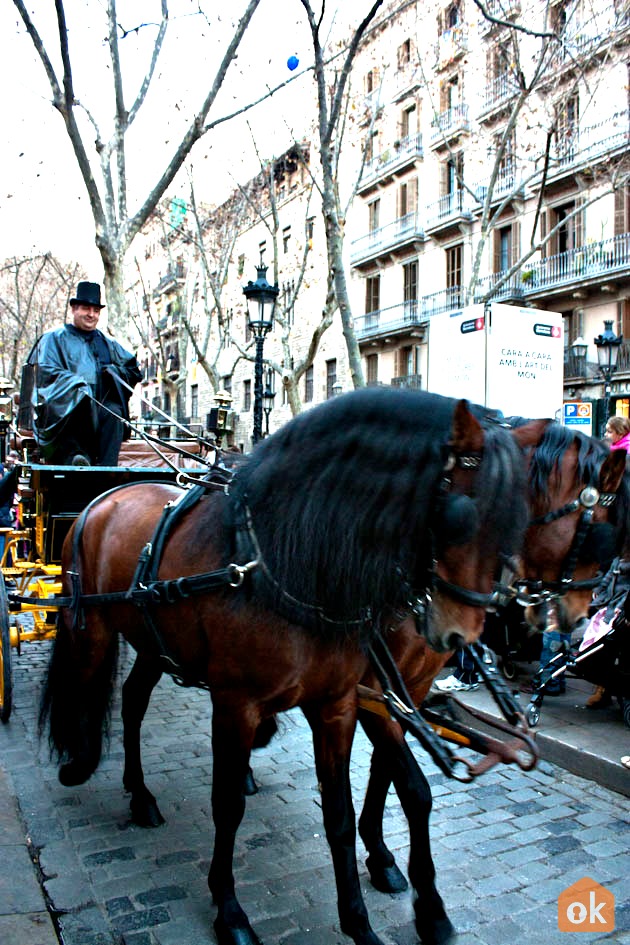
- Taronjada celebration in the Born during Barcelona Carnival in 2015 · CARNAVAL 2015 (16551259602) (2).jpg · OK Apartment from Barcelona, Spain · Original source · CC BY 2.0.
- Barcelona bakery window with traditional Carnival pastries · Pastisseria a Carnaval.jpg · Slastic · Original source · Public domain.
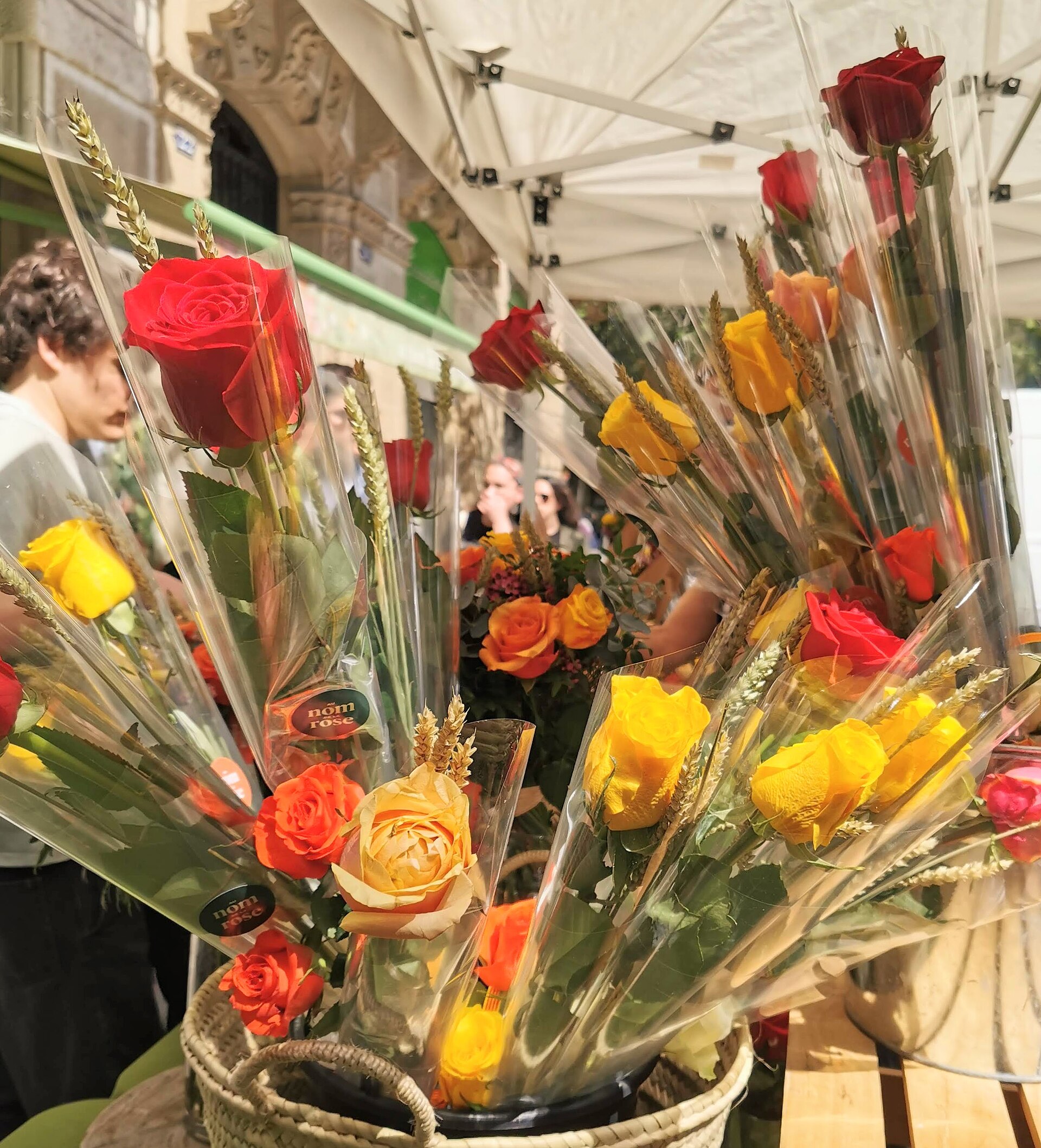
- Roses at a Sant Jordi stall in 2023 · Roses en una paradeta de Sant Jordi - 2023.jpg · Cataleirxs · Original source · CC BY-SA 4.0.
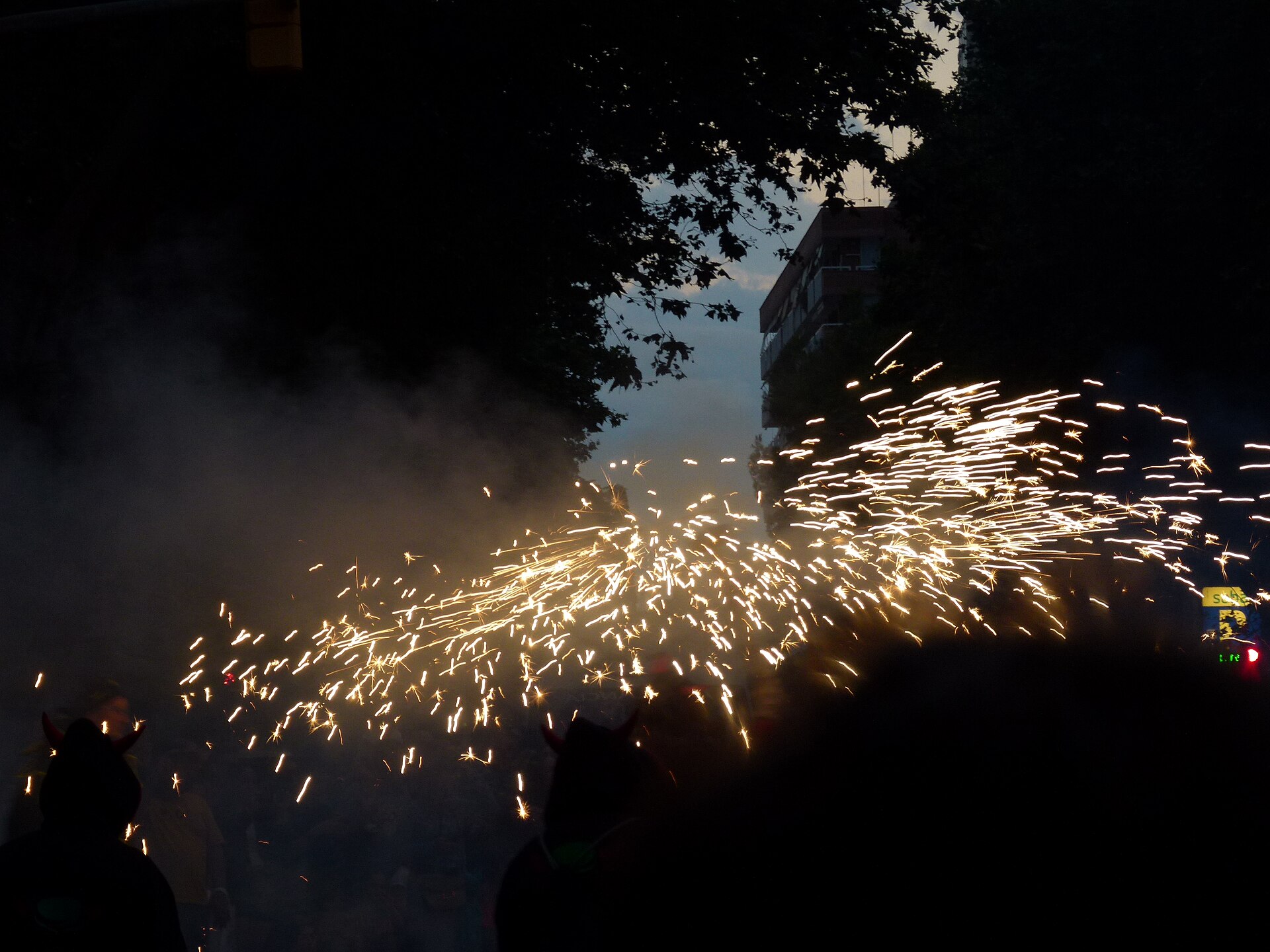
- Sant Joan bonfire in Les Corts, Barcelona, in 2024 · Foguera i revetlla de Sant Joan 2024 a les Corts - P1100265.jpg · Pere López Brosa · Original source · CC BY-SA 4.0.
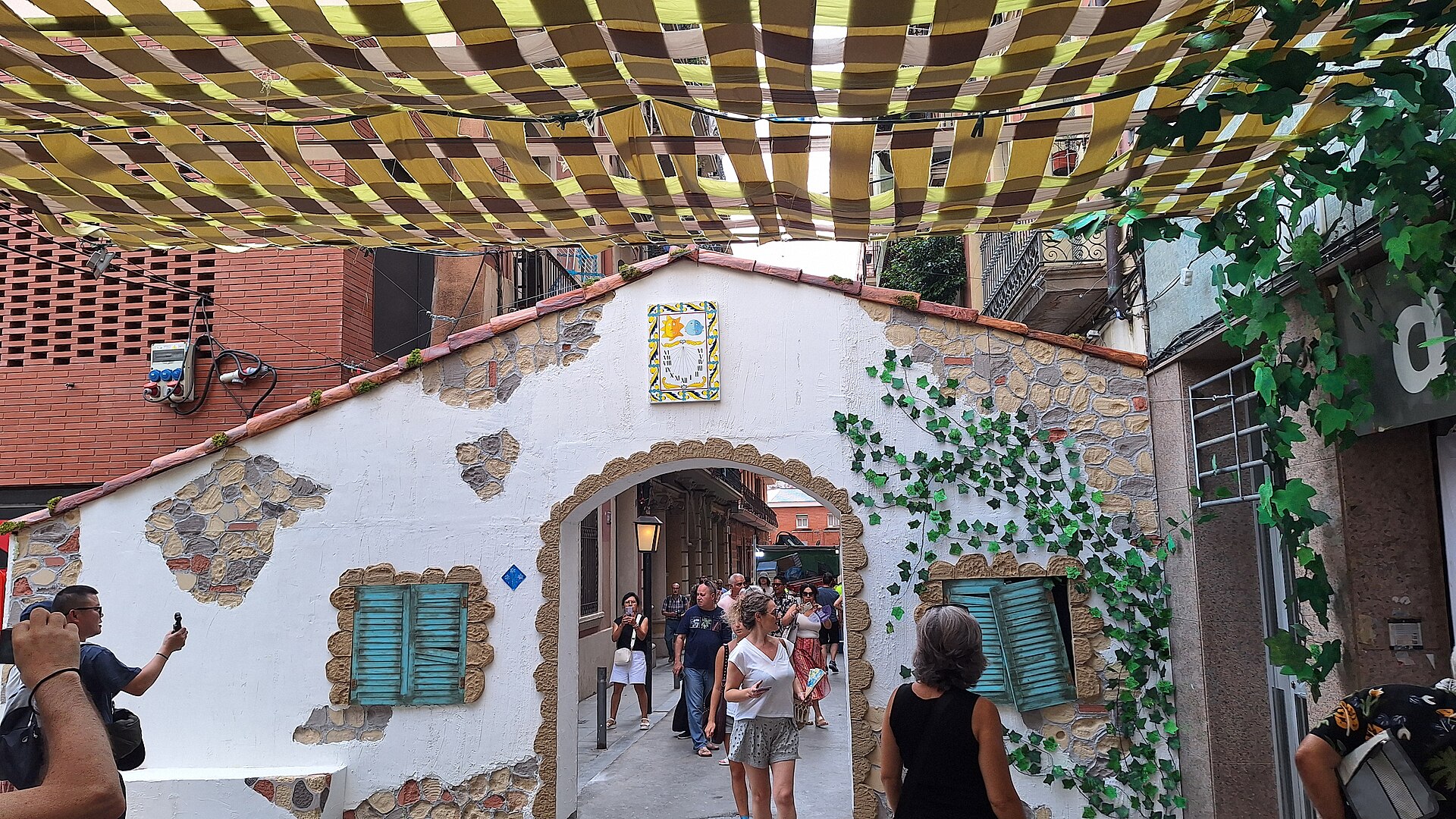
- Decorated streets at the Gràcia neighbourhood festival in 2026 · Festa Major de Gràcia 2026 - 20260815 110554.jpg · Pere López Brosa · Original source · CC BY-SA 4.0.
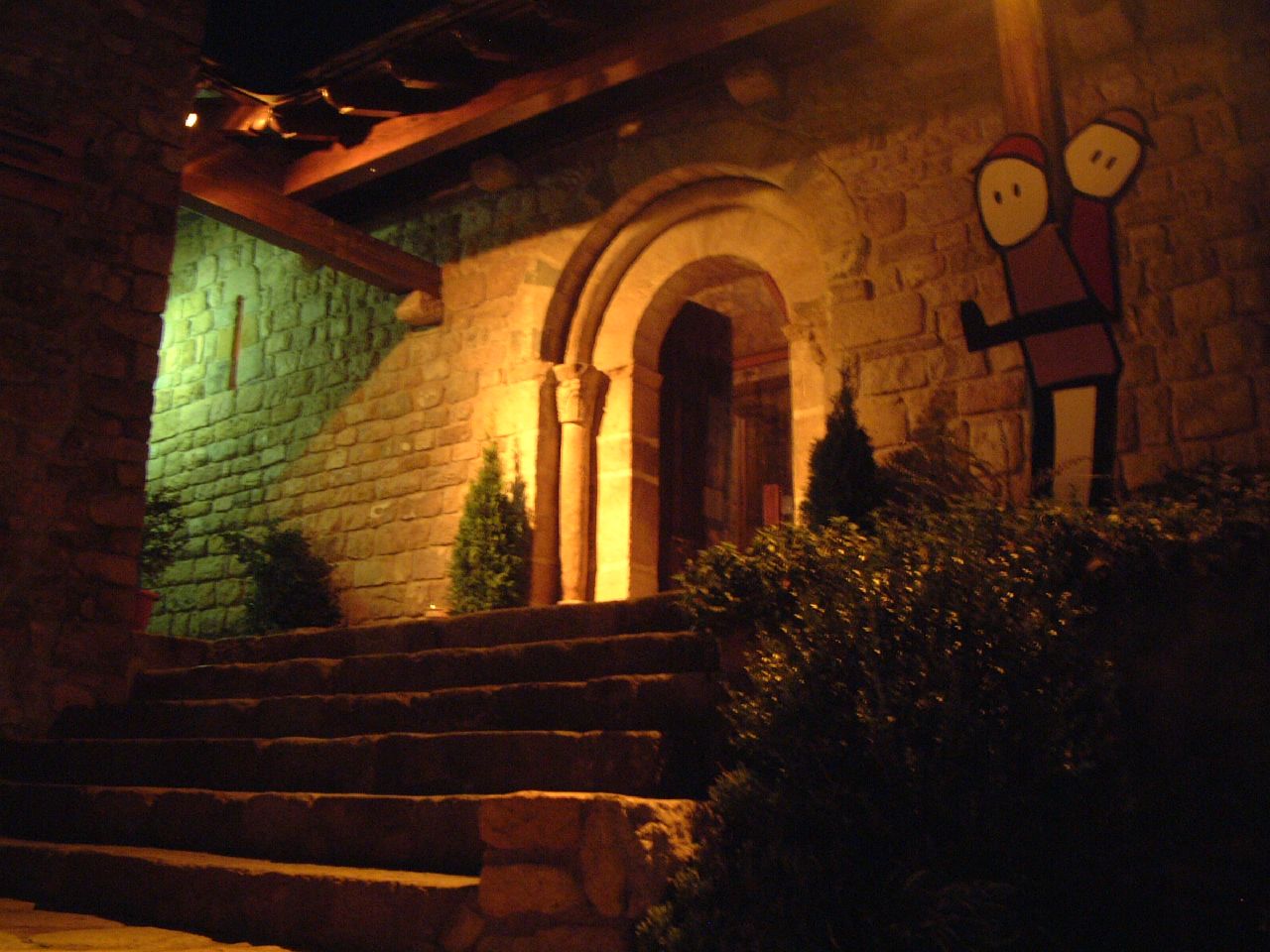
- Christmas tree fair in the village of Espinelves · Espinelves - Fira de l'Avet.jpg · Eduard Maluquer · Original source · CC BY-SA 2.0.
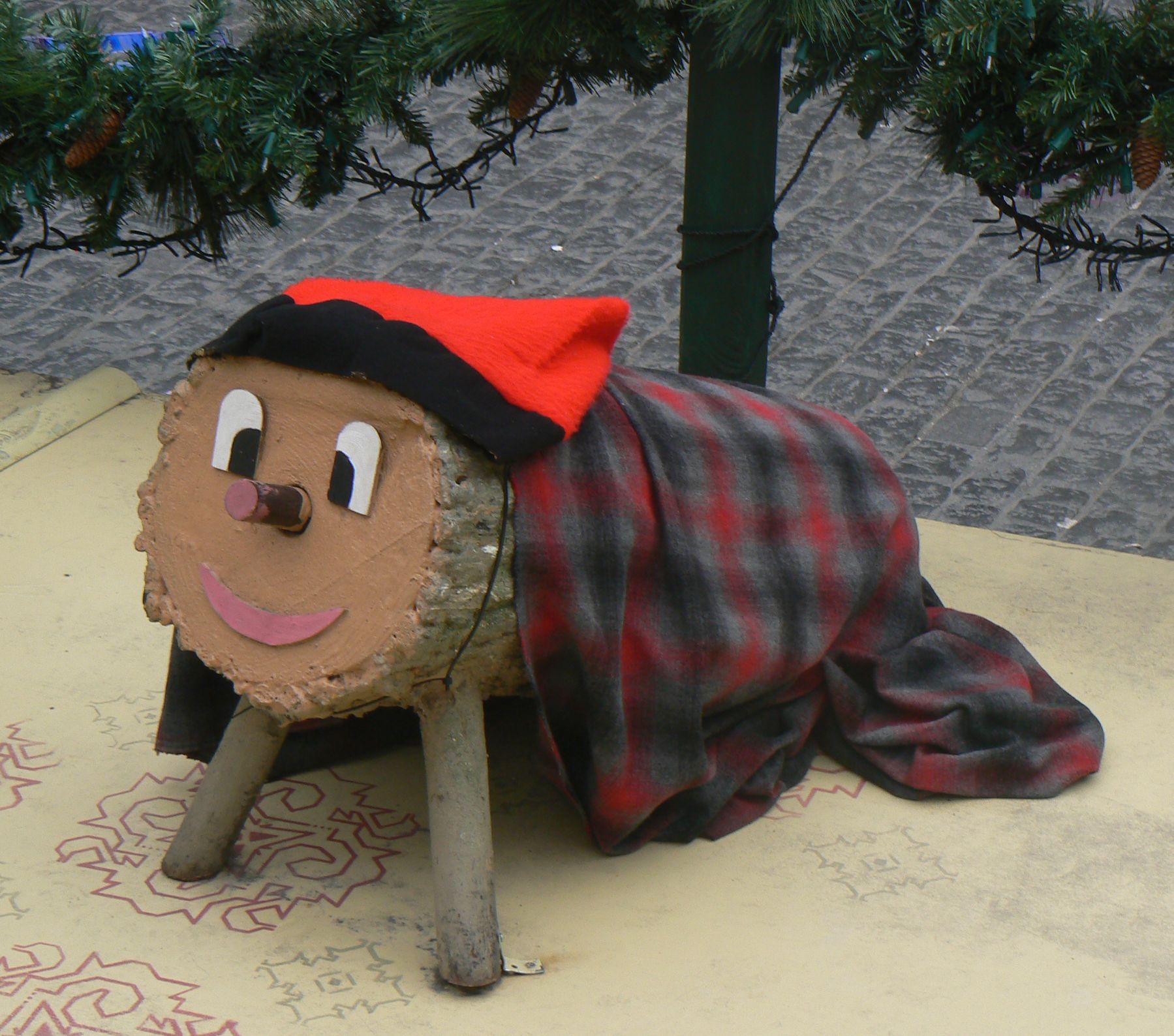
- Tió de Nadal, the traditional Catalan Christmas log · Tió de Nadal.jpg · Slastic · Original source · Public domain.
Images are resized and cropped for this page. Adaptations of CC BY-SA photographs are shared under the same licence indicated for each image.
Keep exploring
A calendar full of stories