
Above the city · Walks and panoramas
Barcelona viewpoints
Barcelona viewpoints reveal the city from a different angle. From a hill, the Eixample grid becomes easier to understand; from a terrace above the sea, the harbour, beaches and connections between neighbourhoods come into focus. This collection offers four starting points for choosing a panorama and making the walk there part of the experience.
Plan your visit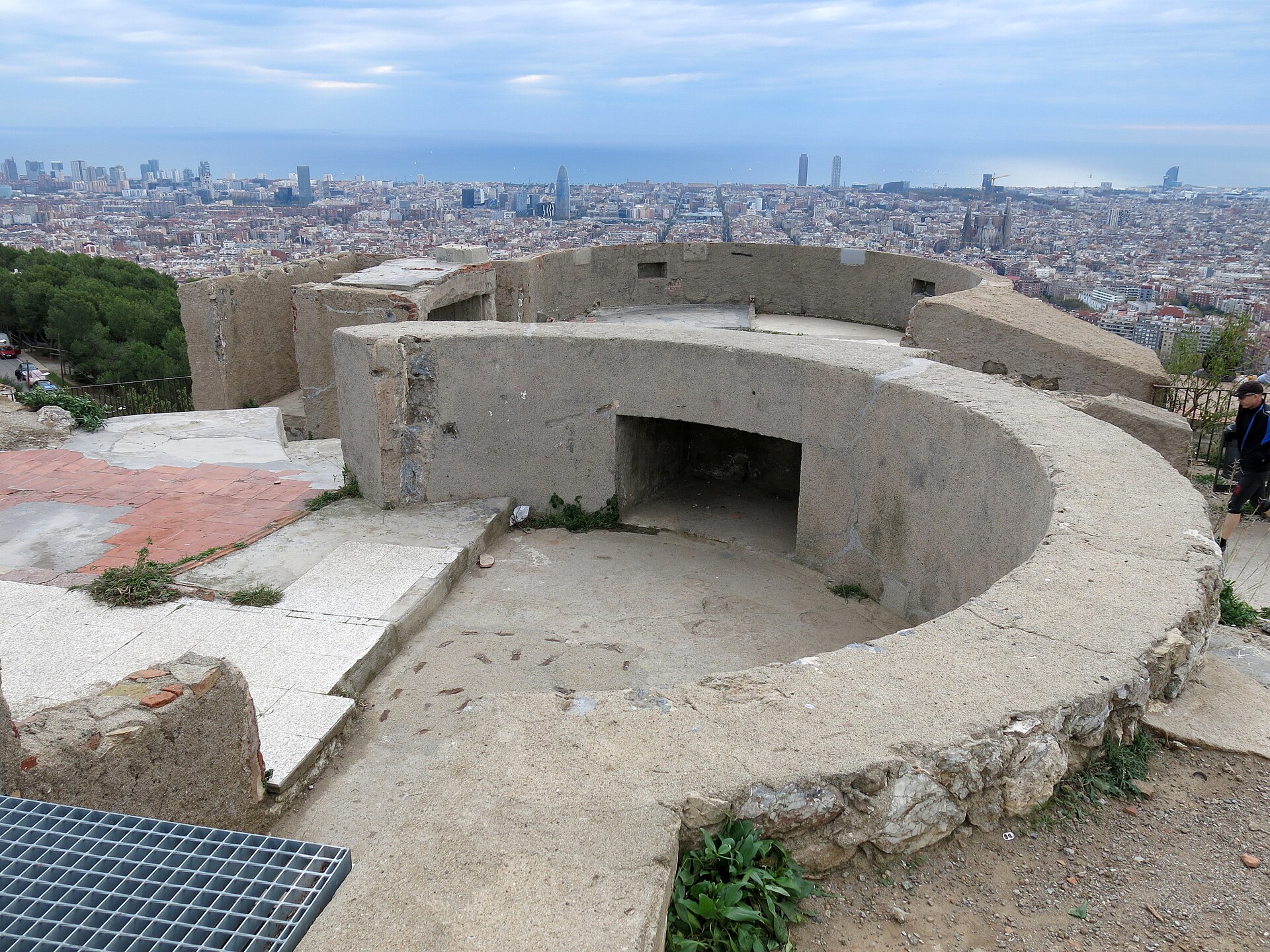
01 · Before you begin
Barcelona viewpoints from Carmel to Montjuïc
The Barcelona viewpoints in this collection are grouped in two areas. Turó de la Rovira combines historic remains with a broad view of the urban landscape. On the hill beside the harbour, the Alcalde gardens, Miramar terraces and surroundings of the Mirador cable-car station offer different perspectives on the coast and city.
Barcelona viewpoints for a walk at your own pace
The best choice depends on how far you want to walk, the gradient and the time available. Elevated places do not all share the same access arrangements or opening hours. Read the individual guide, locate the actual entrance on a map and choose a second nearby stop, rather than trying to cross the whole city in one morning.
- Northern hills
- Turó de la Rovira
- Above the harbour
- Alcalde, Miramar and Montjuïc
- Suggested approach
- One area per walk
- Before setting out
- Check access and opening hours




Four places with distinct personalities
At Carmel, the view and the history belong together. Platforms from the former defensive complex help explain the twentieth century, while the horizon allows you to identify buildings and neighbourhoods. The approach passes through a residential area: walk quietly and remember that the surrounding streets remain part of everyday life for local residents.
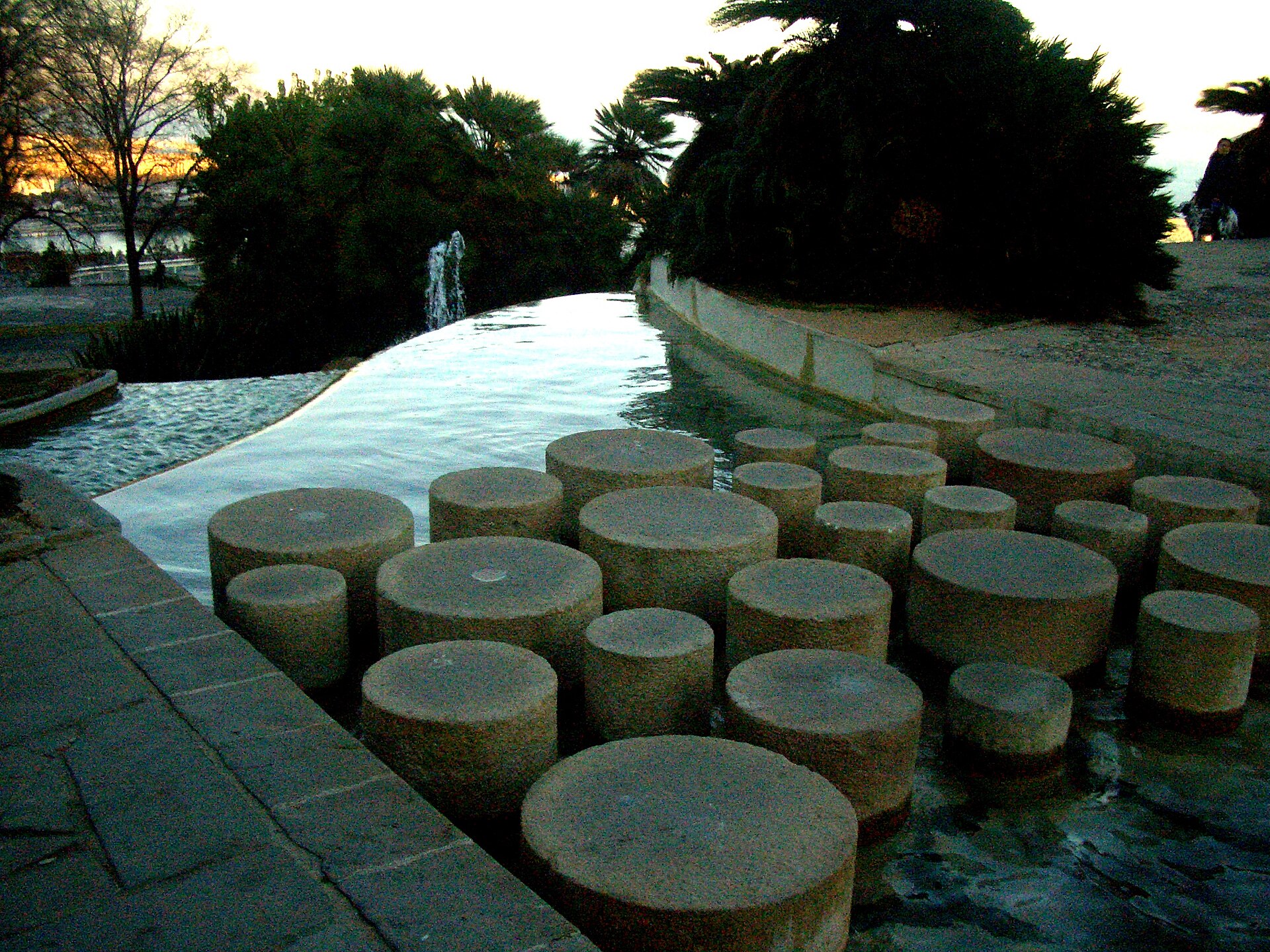
The Alcalde garden offers a more landscaped experience, with terraces, patterned paving and vegetation accompanying the view. It is worth treating it as a place to explore rather than simply a position for taking a photograph. Move between its levels carefully and choose a spot where you can look without blocking other visitors.
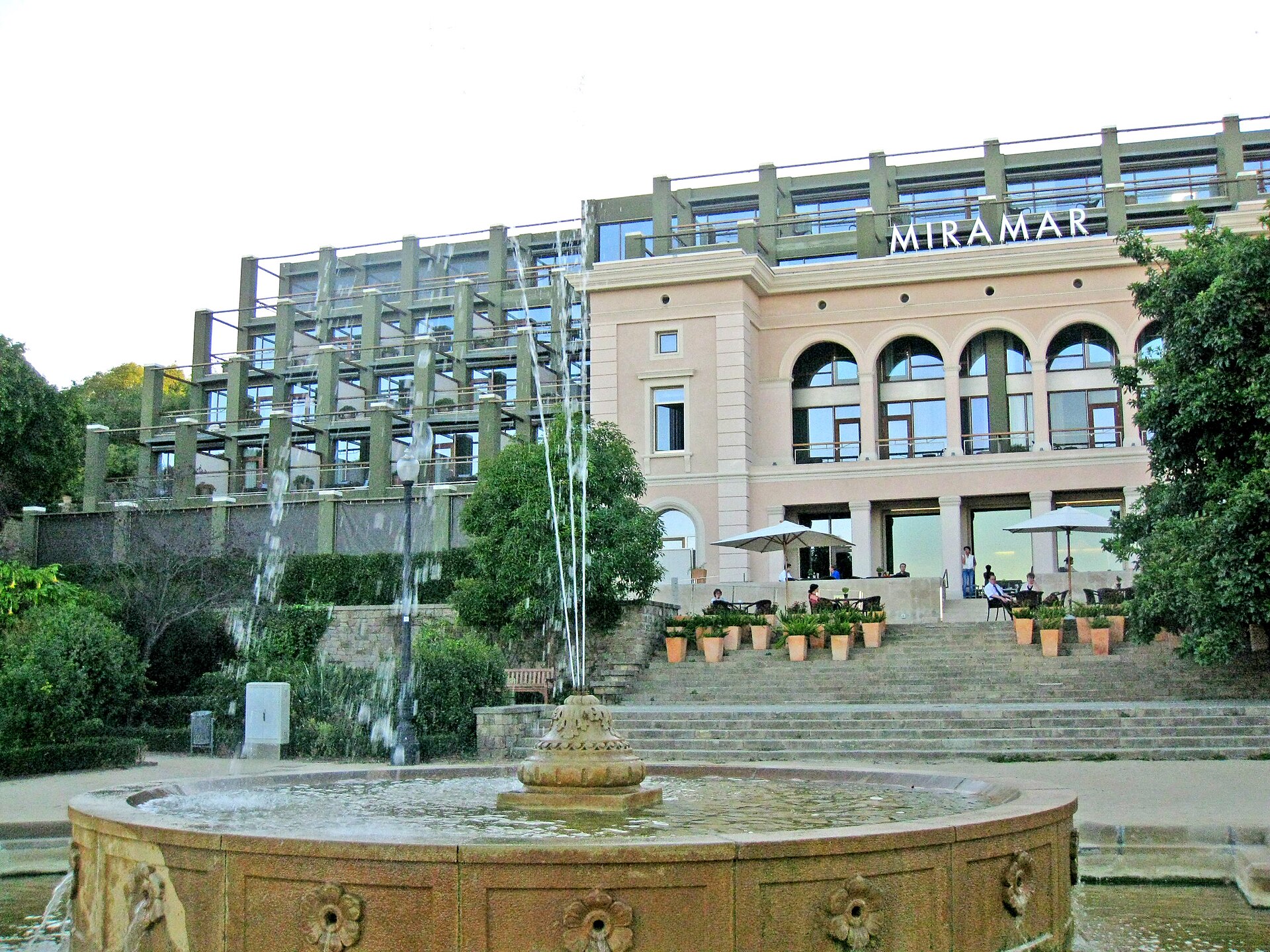
Miramar looks towards the harbour from another elevation and pairs naturally with the gardens around it. The same name is used by nearby facilities and businesses, so check the precise location when reading a map. Public space and the entrances to private establishments are different things, even when they share a familiar place name.
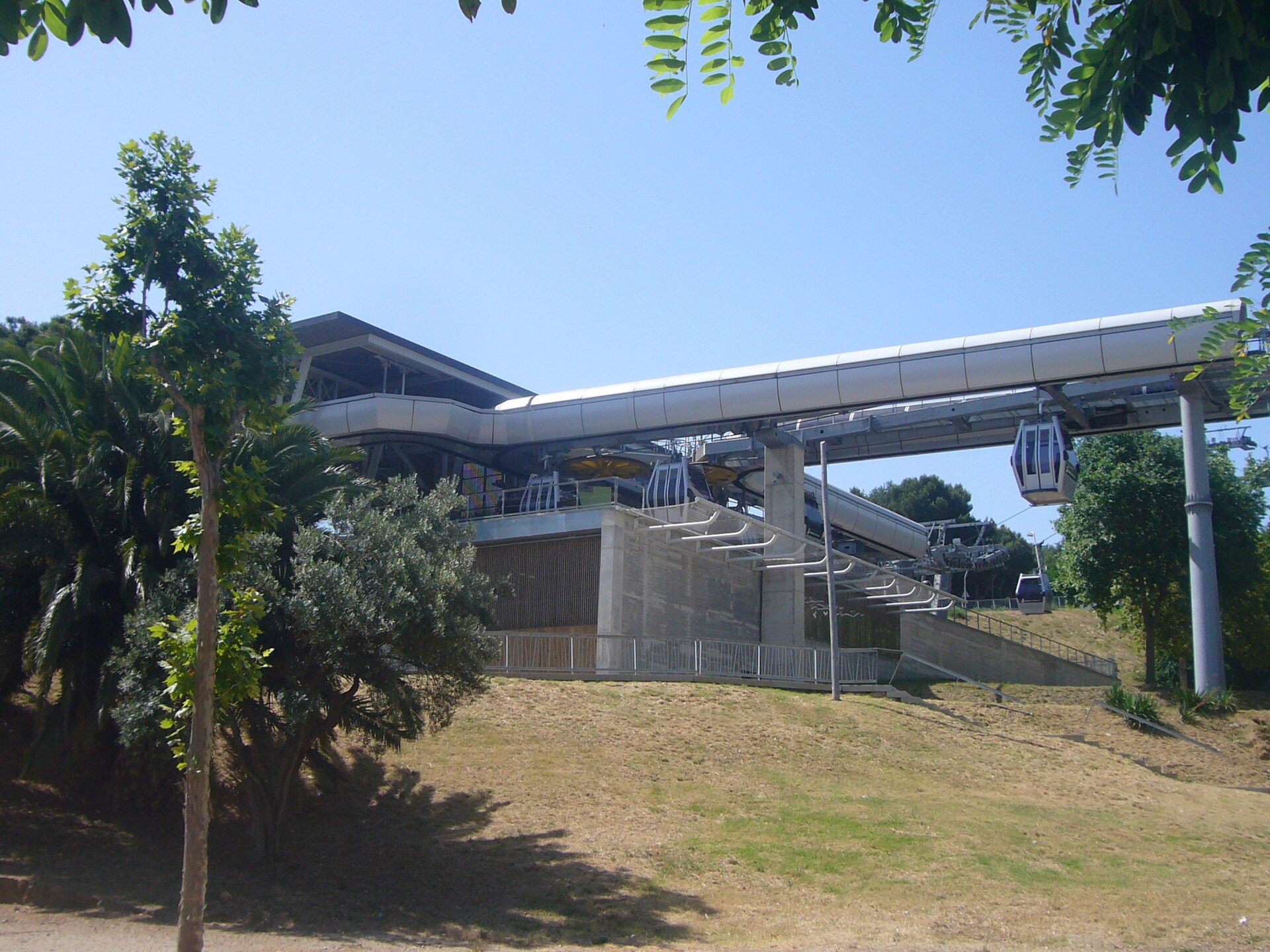
The guide to Montjuïc focuses on the Mirador station area and nearby paths. It explains how that part of the hill can fit into a walk without confusing it with the Alcalde garden, Miramar or the interior of the fortress. Each linked guide introduces the setting and character of its own location.
Choose an approach and plan the climb
Compare the public transport journey with the final stretch on foot before leaving. A stop that looks close on a map may sit at another elevation and involve stairs or a considerable slope. Check the walking route rather than the straight-line distance, especially when travelling with a pushchair or someone with reduced mobility.
On the harbour-side hill, distinguish between the funicular, the Montjuïc Cable Car and the port cable car. They are separate services, with different stations, routes and ticket conditions. Read the full transport name before buying and check whether your intended stop is served in the direction in which you plan to travel.
If using a private vehicle, agree on a practical pickup point and allow time to return to it from the walk. Do not assume that a car can park beside a viewing railing or enter a garden. Water and suitable footwear are often more valuable than adding several extra stops to a short itinerary.
If you also have a timed monument booking, place it before or after the outing with a generous margin. Transport waits, crossings and rest stops change the actual duration of a journey. A flexible plan lets you enjoy the scenery without turning the return trip into a race against the clock.
Light, photography and care for the landscape
For photographs, consider the direction of the view and the clarity of the day. A popular time does not guarantee a good picture: haze, backlighting and clouds can change the result completely. Morning and afternoon offer different possibilities; choose according to the permitted visiting hours and the pace that feels comfortable for your group.
Look for a composition that describes the place. A railing, a mosaic or a line of trees can put the city into context more effectively than maximum zoom. Avoid climbing walls or historic structures to gain height. If a position is busy, wait your turn and leave room for other people to enjoy the view.
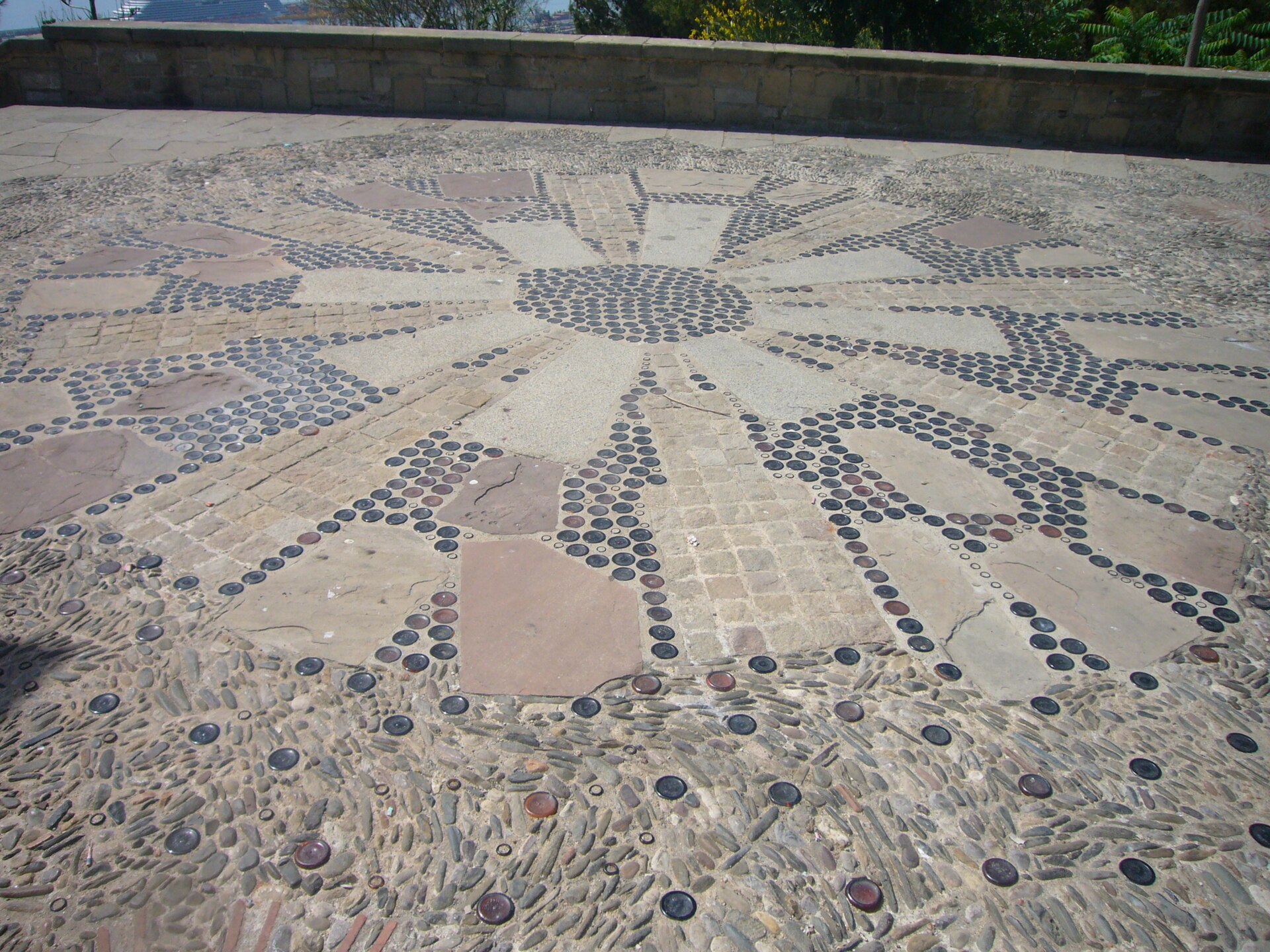
A panoramic walk can also help you find your bearings for the rest of the trip. Identify the sea, locate a major avenue and try to find the neighbourhood where you are staying. Later, compare that broad perspective with what you discover at street level. Moving between the scale of the city and its small details is part of the pleasure.
The guides use reference photographs that we plan to replace with our own images. Landscape conditions change across seasons and years. Use the pictures to understand the perspective, and rely on official visitor information to check access arrangements, opening hours and current notices before travelling.
Sources and visitor information
Check the official conditions and notices before booking or travelling.
Photograph authors and licences
- Remains of the former anti-aircraft battery. · 049 Turó de la Rovira, antiga bateria antiaèria.jpg · Enric · Original source · CC BY-SA 4.0.
- The terrace at the Mayor’s Lookout. · Mirador de l'Alcalde Parc de Montjuïc.JPG · Invivi · Original source · CC BY-SA 3.0.
- The fountain and the Miramar building. · Hotel Miramar (Barcelona), 4.jpg · Enfo · Original source · CC BY-SA 3.0.
- Mirador station on the Montjuïc cable car. · Estació El Mirador del Telefèric de Montjuïc.JPG · Jordiferrer · Original source · CC BY-SA 3.0.
- Decorative paving among the gardens. · Jardins del Mirador de l'Alcalde (Montjuïc - Barcelona) 15.JPG · Jordiferrer · Original source · CC BY-SA 3.0.

Images are resized and cropped for this page. Adaptations of CC BY-SA photographs are shared under the same licence indicated for each image.